Cronos
Cronos, titan of time and harvests who overthrew Uranus
Curated byBestiarypediaCreated on
 Ancient Greece(Greece)







Mythical Origins of Cronos
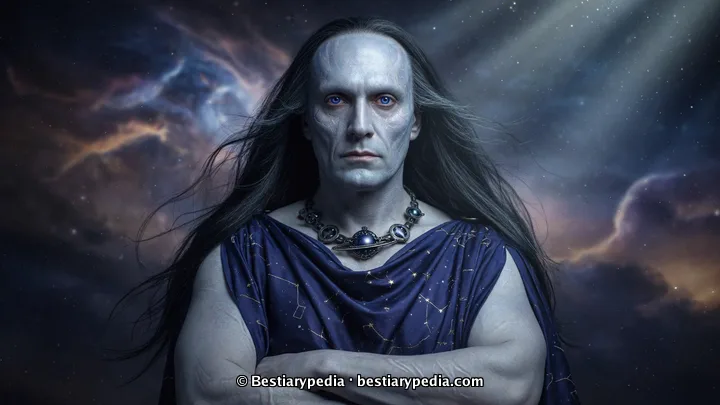
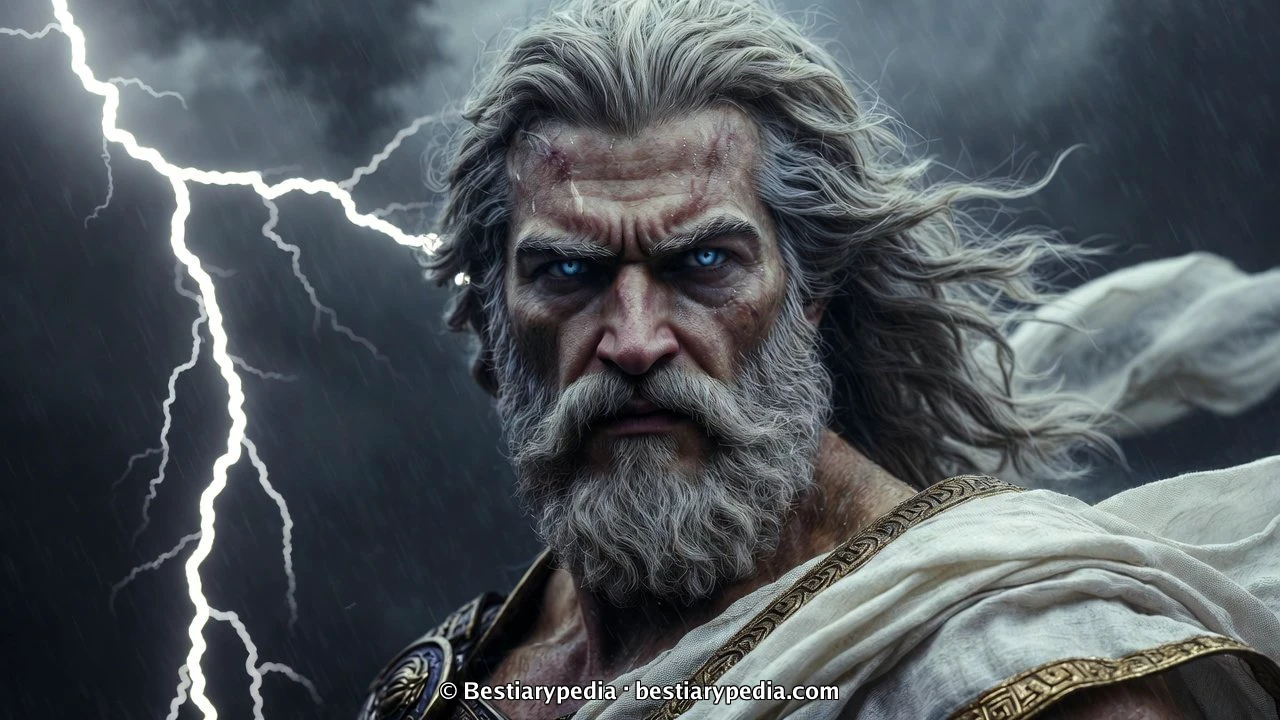
Cronos, the youngest of the titans, emerged in ancient Greek mythology as lord of time and harvests. Son of Uranus and Gaia, he participated in the castration of his father with a sharpened sickle, overthrowing him and establishing his own cosmic reign. This action marked the beginning of a titanic era where fear of the prophecy of being overthrown by his own offspring guided all his subsequent decisions. Hesiodic sources describe his rise as inevitable within the cycle of divine generations that alternate between primordial chaos and structured order.
Devouring of the Children and Prophecy
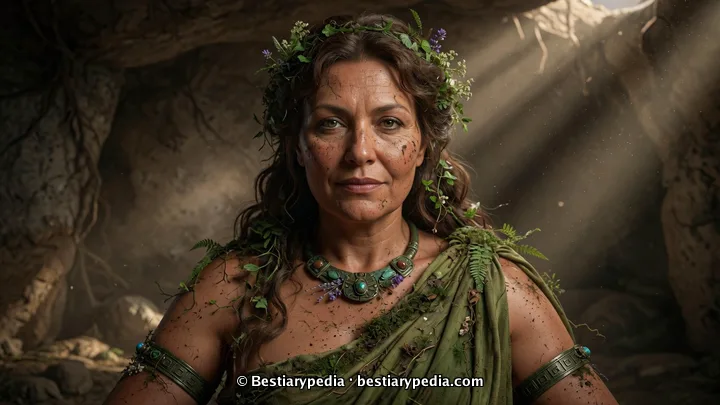
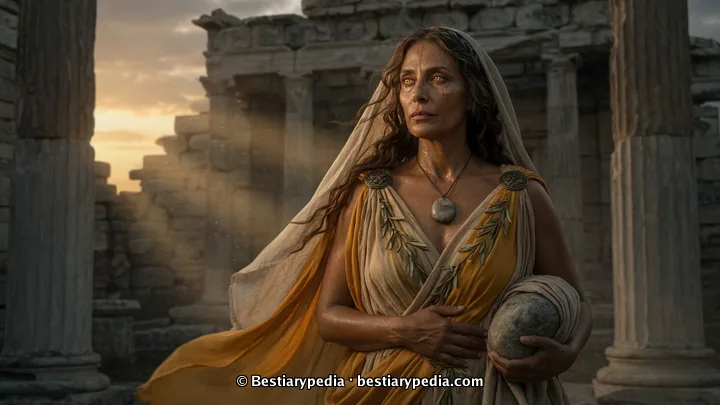
Fearing the prophecy that announced his overthrow by a son, Cronos devoured Hestia, Demeter, Hera, Hades and Poseidon at birth. This extreme measure reflected his cosmic paranoia and the desire to maintain absolute control over destiny. Rhea, his wife, saved Zeus by hiding him in Crete and handing over a stone wrapped in swaddling clothes that Cronos swallowed unsuspectingly. The subsequent act of regurgitation forced by Zeus freed the siblings and sealed the titan's fate in the subsequent war.
Defeat in the Titanomachy and Legacy
Zeus forced Cronos to regurgitate his siblings and led the Titanomachy that culminated in the Olympic victory. Cronos was overthrown and confined to Tartarus or sent to rule the golden age in the islands of the blessed according to variants. Identified with the Roman Saturn, his sickle symbolizes both the harvest and inexorable time. His legacy persists in Saturnalian festivals and in the cyclical notion of time that devours and renews successive divine generations.
Also known as
Relics
🏺 Sickle of Cronos
Symbology
Element
Time
Number
1
Color
Gray
Animals
Serpent
Sigils:
🏷️ Traits
Powers
Weaknesses
Behavioral
Resistances
🔗 Relations with other beings
🗺️In the Atlas
Travel the beings’ world of origin and the cosmos of their dimensions.
📜 Mythologies
Greek mythology developed in Ancient Greece from the Late Bronze Age and reached its most elaborate form during the archaic and classical periods, between the 8th and 4th centuries BCE. It emerged among the Hellenic peoples who inhabited the Greek peninsula, the Aegean islands and the coasts of Asia Minor, and was transmitted mainly through the oral poetry of Homer and Hesiod, as well as local traditions collected in sanctuaries and festivals. Its worldview presents a universe ordered by a hierarchy of divinities that intervene in human and natural affairs, with Olympus as the dwelling of the principal gods and Hades as the destination of the deceased. The central deities include the twelve Olympians, headed by Zeus, god of the sky and sovereign, together with Hera, Poseidon, Athena, Apollo, Artemis, Aphrodite, Ares, Hephaestus, Hermes, Demeter and Dionysus. Before them, the Titans, among whom Cronus and Rhea stand out, ruled the cosmos until they were deposed by the Olympians in the Titanomachy. Other important entities are the Muses, the nymphs, the Cyclopes and the Moirai, who embody cosmic forces and destinies. This tradition exerted a lasting influence on the literature, art and thought of Rome, the European Renaissance and subsequent Western culture, supplying motifs, characters and narrative structures that have endured in philosophy, astronomy and the arts to the present day.
Sources
Theogony
Hesiod · -700
Poem by Hesiod detailing the origin of Greek gods and Titans.
Frequently asked questions
Why did Cronos devour his children?
Out of fear of the prophecy predicting his overthrow by a son. This action reflects his cosmic paranoia and desire for absolute control.
What relationship does Cronos have with Saturn?
Cronos is identified with the Roman god Saturn, sharing attributes of time and harvests. His sickle symbolizes both aspects in classical tradition.
How did the sickle influence Cronos's fate?
The sickle served to castrate Uranus and symbolizes time that devours all. It represents both the harvest and the inexorable cycle of generations.
🔖Cite this entry▾
If you cite this article in an academic, journalistic or editorial publication, use any of these formats:
Bestiarypedia. (2026, July 17). Cronos. Bestiarypedia. https://bestiarypedia.com/en/beings/cronos
Free citation with attribution and canonical link for editorial, academic or journalistic use. Full commercial reuse or creation of derivative products requires prior agreement.