Eurynomos
Eurynomos, chthonic daemon corpse-devourer of the Greek Hades
Curated byBestiarypediaCreated onUpdated on
 Ancient Greece(Greece)
Mythical Origins of Eurynomos
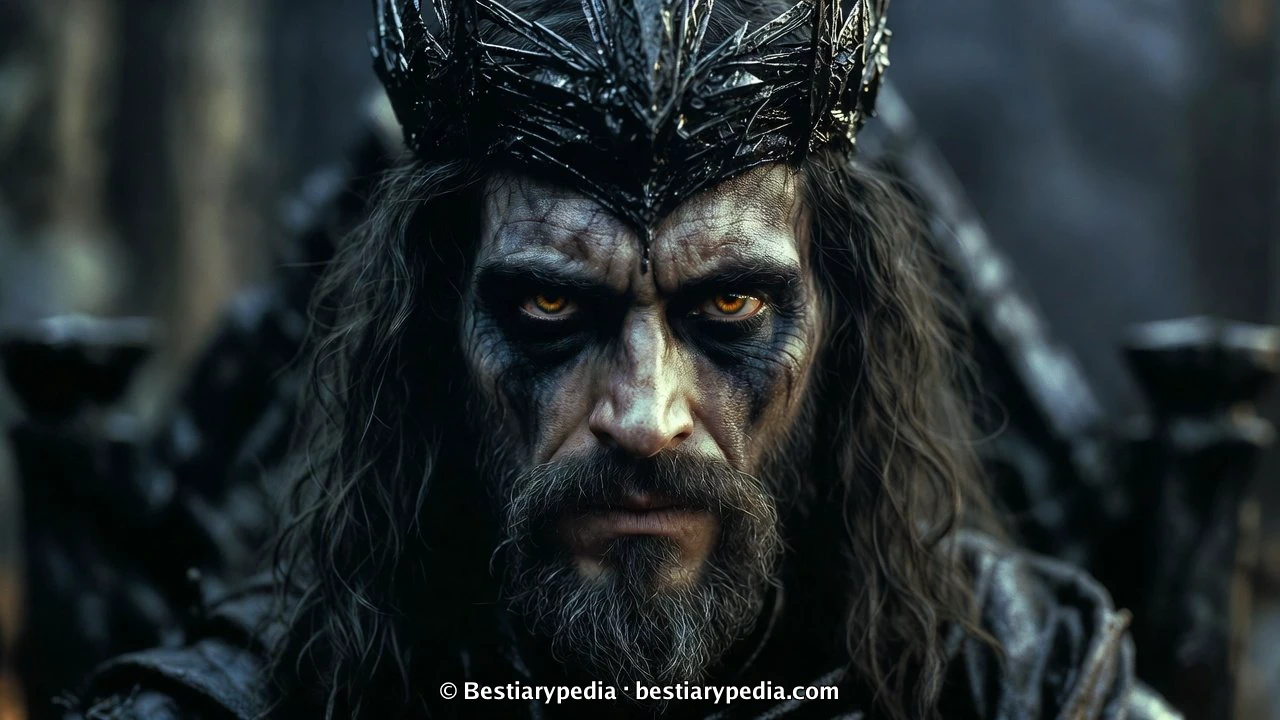
Eurynomos is a chthonic daemon of the Greek Hades documented solely by Pausanias in Description of Greece 10.28.7 as the central figure of the lost painting by Polygnotus of Thasos in the Lesche of the Cnidians at Delphi. The fifth-century BCE fresco depicted the Homeric Nekyia and showed Eurynomos devouring cadaverous flesh so that only bones would pass into the realm of shadows. Pausanias notes that neither Homer nor the Minyas verses mention this entity, so his description is limited to the painting: blue-black color like flies on corpses, visible teeth and seated on an extended vulture skin. This is the only direct classical source that fixes his ritual origin in the underworld.
Appearance and Ritual Function of Eurynomos
According to the sole ancient description, Eurynomos appears as a middle-aged male seated in an absorbed posture on the extended skin of a vulture. His skin presents a uniform blue-black tone comparable to flies alighting on corpses, without shine or ornaments. The half-open mouth shows teeth in a continuous gesture of devouring, while the bare torso and lower dark gray cloth follow classical Greek iconography. His ritual function consists of consuming the flesh of the newly deceased so that only bones reach Hades as pure shadows, enabling the separation between corruptible body and soul. This labor occurs exclusively in the underworld and lacks interaction with the living.
Recodification in Christian Demonology
In 1818 Collin de Plancy included Eurynomos in the Dictionnaire Infernal as the Prince of Death of the Christianized Hades, transforming the Greek chthonic daemon into a subordinate demonic entity. This medieval recodification dispenses with the original purifying function and emphasizes his exclusive residence in the underworld, without powers over the living or granting of favors. Plancy's source draws directly from Pausanias' description and does not derive from later goetic treatises. Thus Eurynomos retains his ritual role of body-soul separation but within an infernal hierarchy adapted to the Christian context.
Relics
🏺 Lost painting of Polygnotus at Delphi
Polygnotus' painting in the Lesche at Delphi, now lost, depicting Eurynomus devouring the flesh of the dead.
Symbology
Element
corpse-earth, chthonic-Hades
Number
none
Color
putrid blue-black
Animals
vulture, corpse fly, carrion crow, underworld hyena
Sigils:
🏷️ Traits
Powers
Weaknesses
Behavioral
Resistances
🔗 Relations with other beings
🗺️In the Atlas
Travel the beings’ world of origin and the cosmos of their dimensions.
📜 Mythologies
Systematic study of demons, fallen angels, and malevolent spiritual entities in Christian tradition, encompassing hierarchical classifications in grimoires like the Lemegeton and Pseudomonarchia Daemonum, exorcism and invocation practices in medieval and Renaissance texts, biblical references to the prince of darkness and infernal legions, influences on scholastic theology, the Inquisition, and later occultism, with practices to discern spirits, combat possessions, and restore divine balance against the forces of evil.
Sources
Detailed lexicon of Greek and Roman mythology
Wilhelm Heinrich Roscher · 1884-1890
Monumental lexicon of Greek and Roman mythology edited by W. H. Roscher (1884-1937), a scholarly reference work in the public domain.
Dictionnaire Infernal (Infernal Dictionary)
Jacques Auguste Simon Collin de Plancy · 1818 (1st ed.) – 1863 (6th illustrated ed.)
French demonological dictionary by Collin de Plancy (1818), famous for its illustrated catalogue of demons in the 1863 edition.
Pausanias' Description of Greece
Pausanias · ca. 150 CE
Pausanias’ "Description of Greece" (2nd century), a geographical and religious guide to the Greek world. It tours sanctuaries, monuments and local cults, preserving myths, heroes and divinities that would otherwise have been lost.
Frequently asked questions
Which ancient source describes Eurynomos devouring corpses?
Pausanias in Description of Greece 10.28.7 is the sole direct classical source. He describes the daemon in Polygnotus' lost painting.
What is Eurynomos' main ritual function in Hades?
He consumes the flesh of corpses so that only bones reach Hades as pure shadows, separating body and soul.
How did Collin de Plancy recodify Eurynomos in 1818?
He identified him as the Prince of Death of the Christianized Hades, keeping his exclusive underworld residence without powers over the living.
🔖Cite this entry▾
If you cite this article in an academic, journalistic or editorial publication, use any of these formats:
Bestiarypedia. (2026, August 3). Eurynomos. Bestiarypedia. https://bestiarypedia.com/en/beings/eurynomos
Free citation with attribution and canonical link for editorial, academic or journalistic use. Full commercial reuse or creation of derivative products requires prior agreement.
Similar beings
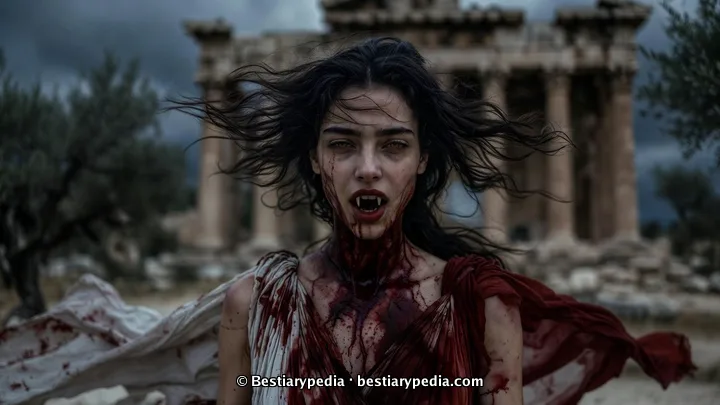
Lamia
Lamia, the seductive mythological Greek serpent devourer of children
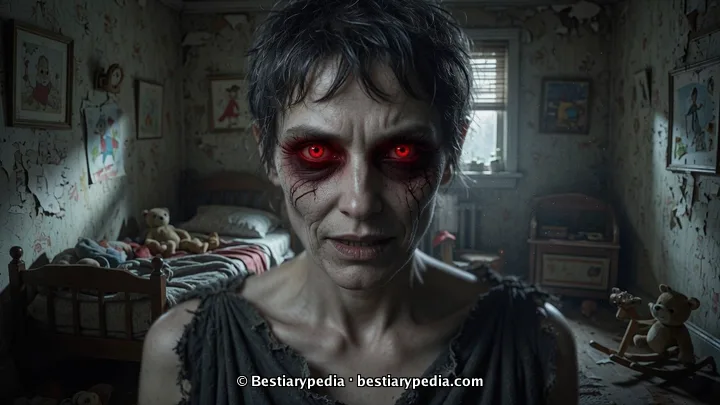
Mormo
Mormo, spectre of Hecate's retinue and Greek bogey
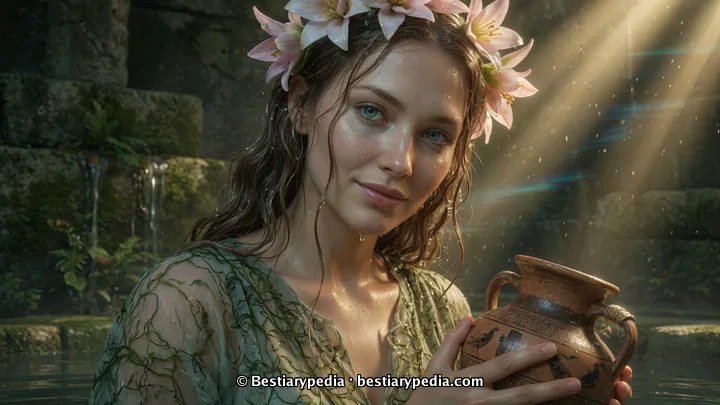
Naiads
Naiads, water nymphs guardians of rivers, springs, and fountains in Greek mythology
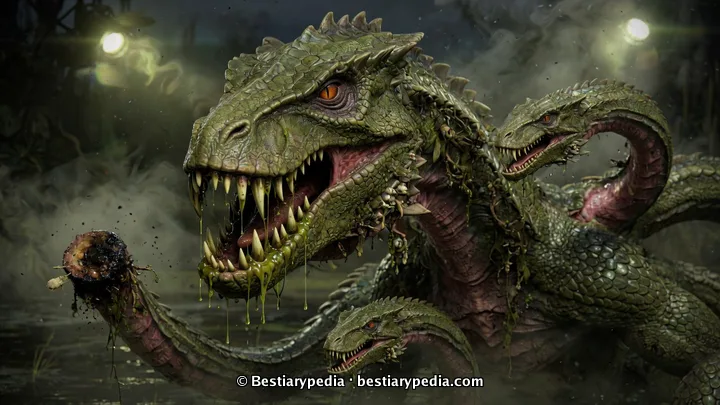
Lernaean Hydra
Lernaean Hydra, the multi-headed water serpent that regenerates in Greek mythology
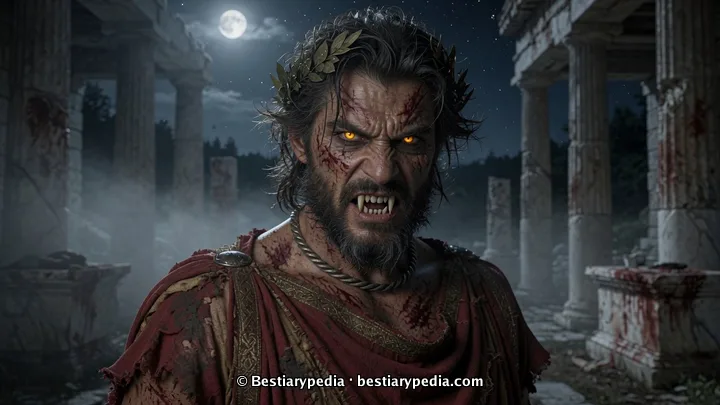
Lycaon
Lycaon, Arcadian king turned into a wolf by Zeus
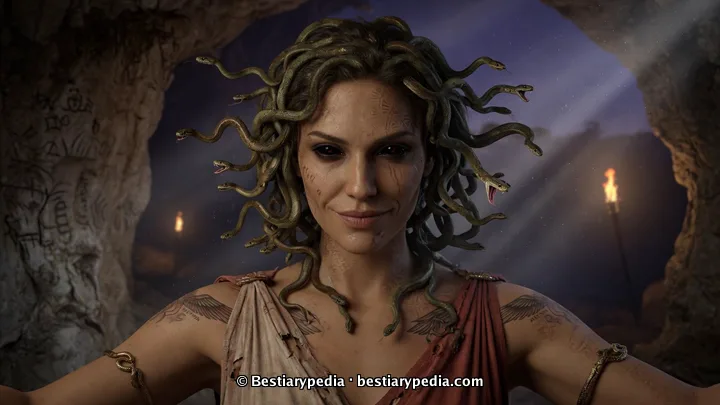
Medusa
Medusa, the petrifying gorgon with snakes for hair in Greek mythology