Lamia
Lamia, the seductive mythological Greek serpent devourer of children
Curated byBestiarypediaCreated onUpdated on
 Ancient Greece(Greece)
Family Tree





Mythical Origins of Lamia
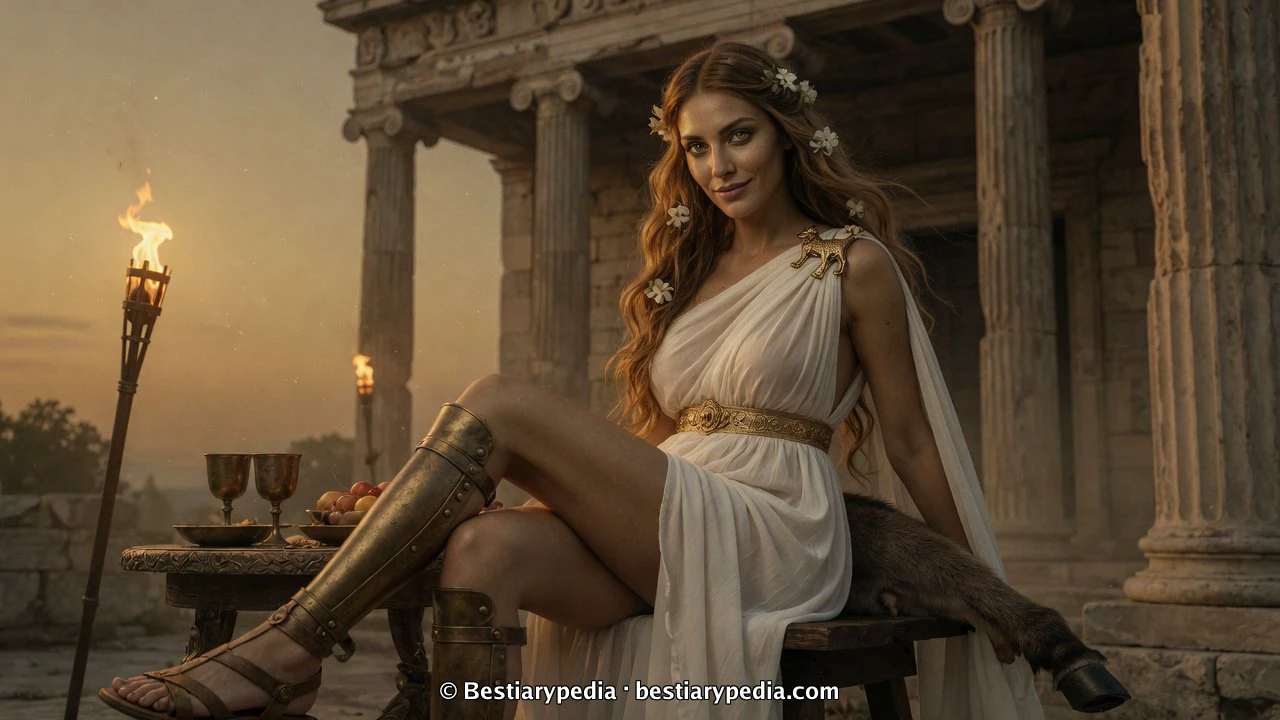
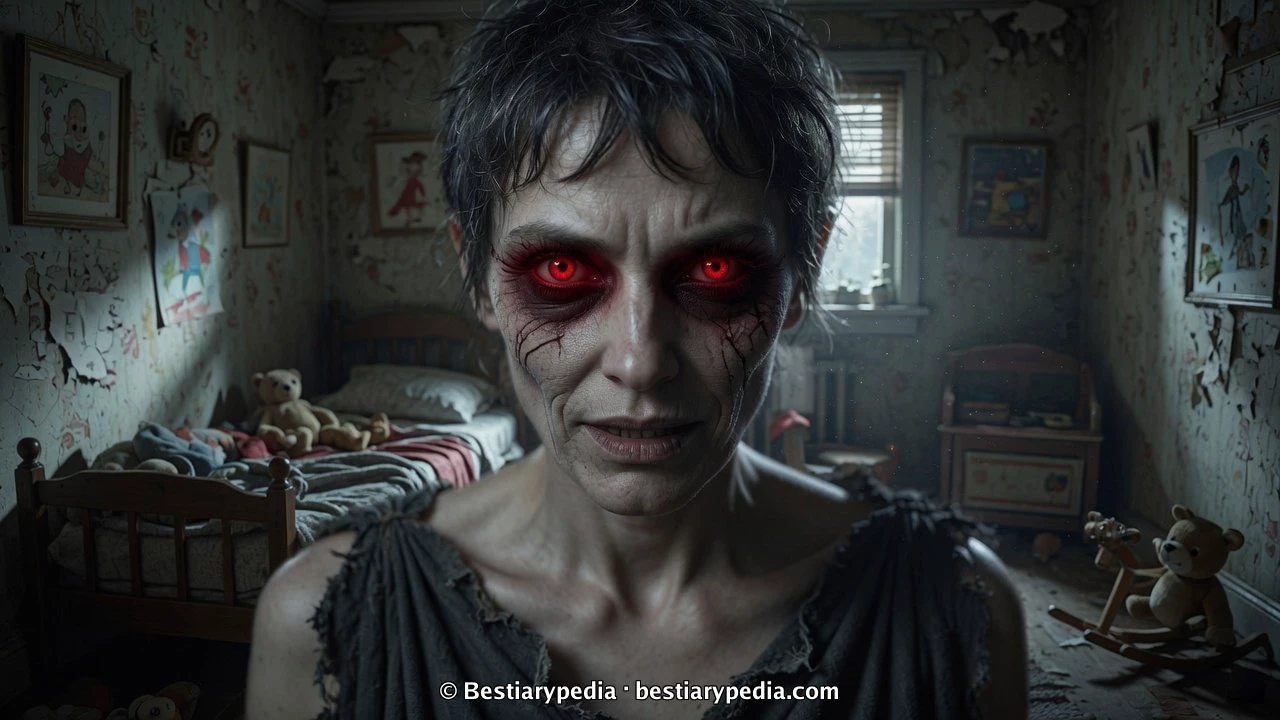
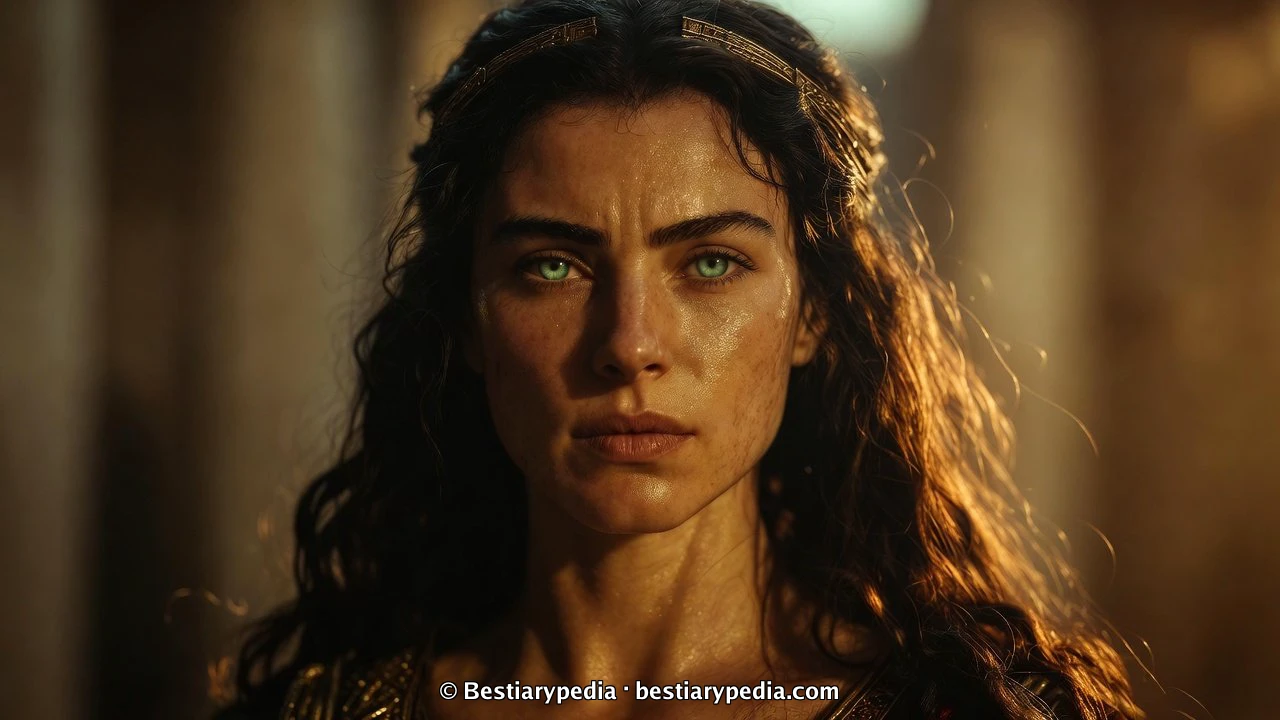
Lamia, in ancient Greek mythology, was originally a beautiful Libyan queen and lover of Zeus, who bore him many children, arousing Hera's jealousy who killed her offspring or cursed her with sleeplessness, turning her into a desperate monster. Lamia transformed into a hybrid being with an upper woman's body and lower serpent tail, wandering at night to abduct and devour others' children in eternal revenge. Aristophanes mentions her in his play 'Peace' as a child-eating specter, and in the Suda lexicon as a Libyan queen haunted by grief, linked to the lamiae as a group of female demons.
Powers and Abilities of Lamia
Lamia and the lamiae have the ability to shapeshift into beautiful seductive women to lure men and youths, then drain their souls or blood or devour their children with enormous jaws and superhuman strength. Their protruding removable eyes terrify victims, and their serpentine body allows swift crawling and hiding in darkness. In Philostratus' account, Apollonius of Tyana confronts a lamia prostitute who swallows youths, highlighting her deadly seduction and self-healing from wounds. They are also linked to magic and prophecy, as descendants of Hecate in some traditions.
Weaknesses and Destruction of Lamia
Lamia is defeated by powerful magic or medicinal herbs like rue, as in Apollonius' story where he forces the lamia to confess and vanish with a spell. Iron or ash prevents her transformation, sunlight weakens her, while prayers to Hera or Hecate might halt her rage. In later traditions, she symbolizes fear of women beyond control, overcome by courage and knowledge, as youth triumphs over lamiae in Greek-Roman folk myths.
Cultural Significance and Relations of Lamia
Lamia embodies ancient Greek fear of destructive female sexuality and lost motherhood, linked to Empusa daughter of Hecate and Striges demonic birds as vampire ancestors in European lore. In syncretic traditions connected to Jewish Lilith and succubi, influencing literature like Keats' 'Lamia'. She symbolizes divine jealousy punishment and eternal revenge, warning against relations outside social order, persisting in pop culture as deadly woman icon.
Also known as
Relics
🏺 Protruding Removable Eyes
Eyes that Lamia can remove from their sockets, condemned never to close them over her children's deaths.
Symbology
Element
Water
Number
2
Color
Green
Animals
Serpent, Striges
Sigils:
🏷️ Traits
Powers
Weaknesses
Behavioral
Resistances
🔗 Relations with other beings

🗺️In the Atlas
Travel the beings’ world of origin and the cosmos of their dimensions.
📜 Mythologies
Post-classical Greek folklore includes kallikantzaroi winter goblins, nereids water nymphs, orei mountain spirits, kaloi ghosts, nepheles cloud beings, vrykolakas vampires, rooted in Byzantine and Ottoman-era traditions across Aegean islands and Peloponnese.
Sources
Life of Apollonius of Tyana by Philostratus
Philostratus · 200
'Life of Apollonius' (200 CE) describes encounter with a lamia prostitute who swallows youths, highlighting her seductive powers and vulnerability to magic.
Peace by Aristophanes
Aristophanes · -421
Aristophanes' play 'Peace' (421 BCE) mentions Lamia as a child-devouring specter, first major literary reference to the Greek monster.
Suda
Anonymous Byzantine · c. 1000
Tenth-century Byzantine encyclopedic lexicon compiling entries on Greek mythology.
Frequently asked questions
How does Lamia originate in ancient Greek mythology according to classical sources?
Lamia was originally a Libyan queen and lover of Zeus. Hera, out of jealousy, killed her children or cursed her with sleeplessness, turning her into a hybrid woman-serpent monster. Aristophanes and the Suda lexicon mention her as a vengeful specter that devours others' children.
What transformation and attack capabilities characterize Lamia and the lamiae?
Lamia and the lamiae shapeshift into seductive women to lure men and youths. They then drain souls or blood or devour children with enormous jaws and superhuman strength. Their removable eyes terrify victims and their serpentine body allows swift crawling and hiding in darkness.
What mythological relations does Lamia maintain with Zeus, Hera and other demonic entities?
Lamia was a mortal lover of Zeus and mother of his children, provoking Hera's fury. She cursed and transformed her into a monster. She is linked to Empusa, daughter of Hecate, and Striges, demonic birds, considered vampire precursors in European folklore.
What symbolic and iconographic elements are associated with Lamia in mythological tradition?
Lamia symbolizes fear of destructive female sexuality and lost motherhood. She is associated with water, the number two, green color, serpent and Striges. Her sigils include removable eyes and serpent tail, representing eternal revenge and divine punishment for relations outside social order.
🔖Cite this entry▾
If you cite this article in an academic, journalistic or editorial publication, use any of these formats:
Bestiarypedia. (2026, August 3). Lamia. Bestiarypedia. https://bestiarypedia.com/en/beings/lamia
Free citation with attribution and canonical link for editorial, academic or journalistic use. Full commercial reuse or creation of derivative products requires prior agreement.
Similar beings

Mormo
Mormo, spectre of Hecate's retinue and Greek bogey

Eurynomos
Eurynomos, chthonic daemon corpse-devourer of the Greek Hades

Naiads
Naiads, water nymphs guardians of rivers, springs, and fountains in Greek mythology
Lernaean Hydra
Lernaean Hydra, the multi-headed water serpent that regenerates in Greek mythology
Lycaon
Lycaon, Arcadian king turned into a wolf by Zeus
Medusa
Medusa, the petrifying gorgon with snakes for hair in Greek mythology