Soucouyant
Soucouyant, the Caribbean vampiric witch who sheds her skin to fly as a ball of fire
Curated byBestiarypediaCreated on
 Trinidad(Trinidad and Tobago)
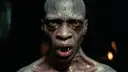
The woman who takes off her skin
The soucouyant is the vampiric witch of the folklore of Trinidad and Tobago, and her name arrived with the French Creole that was spoken on the islands before English. The tale describes her as a common old woman, just another neighbor during the day, who at nightfall locks herself in, sheds her skin like someone taking off a dress and leaves it rolled up in a mortar or hidden in a corner of the house. Without skin she becomes a ball of fire that crosses the sky, and therefore any strange light moving at night over the rooftops is attributed to her. The creature is born from the crossing of African traditions brought by slavery, European beliefs about witches and the practices of Caribbean obeah.
The ball of fire
Already turned into a flame, she enters the houses through the cracks and through the open windows and searches for the sleeping ones. She perches on the victim and drinks her blood slowly, without waking her; whoever wakes up with purple marks on the arms or neck and an unexplained weakness knows what visited her. She prefers small children and the elderly, and if she drinks too much the victim dies. Some versions add that she keeps the blood to stay young or to sell it to other obeah practitioners. Her fiery form is at the same time her advantage and her betrayal: she can enter wherever she wants, but anyone who looks at the sky sees her coming.
The rice and the salt
Sus two weaknesses are those of an obsessive creature. The first is the skin: if someone finds it while she is outside and rubs it with salt and pepper, upon returning she cannot put it on, she writhes in pain and dawn surprises her exposed. The second is the count: if rice or sand is scattered before her door, the soucouyant is obliged to collect grain by grain before continuing, and the night ends up counting for her. It is a remedy that appears in the folklore of half the world applied to nocturnal creatures, and here it becomes the domestic defense par excellence. At the first sun, trapped outside her skin, she burns and is reduced to ashes.
Relatives of the Caribbean
The soucouyant is not alone: it belongs to a Caribbean family that shares the trade with different names. The Old Higue from Guyana does the same, and the loogaroo (whose name comes directly from the French loup-garou, werewolf) appears in Haiti, the Dominican Republic, Trinidad and even in Mauritius, where it arrived by the same colonial routes. All share a revealing pattern: they are elderly women, live alone and are neighbors of those who fear them. As in so many cases of witchcraft, the figure served to point out older women without family to protect them. In contemporary Caribbean literature that background has been re-read, and the soucouyant appears today both as a monster and as an image of the woman whom the community expelled.
Also known as
Relics
🏺 Soucouyant Skin
🏺 Salt Mortar
Symbology
Element
Fire
Number
1
Color
Red
Animals
Vampire Bat, Night Owl
Sigils:
🏷️ Traits
Powers
Weaknesses
Behavioral
Resistances
🗺️In the Atlas
Travel the beings’ world of origin and the cosmos of their dimensions.
📜 Mythologies
Trinitarian folklore arises from the confluence of African, Indian and Caribbean traditions on the island of Trinidad, in the Caribbean, from the mass arrival of African population during the colonial period and, subsequently, of contracted workers from South Asia in the 19th century. The practices and narratives that compose it reflect the interaction between these communities and the local population, giving rise to a set of beliefs, rituals and oral expressions that integrate elements from different origins without constituting a unified religious system.
Sources
Two Years in the French West Indies
Lafcadio Hearn · 1890
Chronicle by Lafcadio Hearn published in 1890 after his stay in Martinique. It records at first hand the Creole folklore of the Antilles, including beliefs about flying blood-drinking witches akin to the soucouyant.
Folklore of the Antilles, French and English
Elsie Clews Parsons · 1923
Elsie Clews Parsons' book (1923) documents oral folklore in Trinidad and the Lesser Antilles, including Soucouyant tales as a fire-transforming bloodsucker.
African Mythology Oral Traditions
Several oral historians · Precolonial
Body of precolonial oral traditions from West Africa, transmitted by griots and elders. They document creator gods, nature spirits, ancestors, tricksters such as Anansi, and deities like the Yoruba orishas.
Frequently asked questions
Why is the skin removed?
Because he cannot fly with it. When night falls he locks himself in, strips off his skin like a dress and leaves it rolled up in a mortar or hidden at home; only then does he become the ball of fire that crosses the sky. The skin is his weak point precisely because he has to leave it behind.
How do people defend themselves from her?
With two household remedies. Rub her skin with salt and pepper while she is outside, so that she cannot put it on upon returning; and scatter rice or sand on the threshold, because she is obliged to collect grain by grain before continuing and the night ends for her counting. At dawn, trapped outside her skin, she burns.
What other Caribbean creatures resemble it?
The Old Higue of Guyana does exactly the same, and the loogaroo appears in Haiti, the Dominican Republic, Trinidad and even in Mauritius, where it arrived by the colonial routes. Its name comes from the French loup-garou, «man wolf», trace of the French creole that was spoken on the islands.
Why is it always an old woman?
It is the revealing pattern of the myth: the soucouyant lives alone, is older and is neighbor of the one who fears her. As in so many stories of witchcraft, the figure served to point out women without family that would protect them. Contemporary Caribbean literature has reread that background and today presents her both as monster as much as as image of the woman whom the community expelled.
🔖Cite this entry▾
If you cite this article in an academic, journalistic or editorial publication, use any of these formats:
Bestiarypedia. (2026, July 22). Soucouyant. Bestiarypedia. https://bestiarypedia.com/en/beings/soucouyant
Free citation with attribution and canonical link for editorial, academic or journalistic use. Full commercial reuse or creation of derivative products requires prior agreement.