Baldr
Baldr, the Norse god of light, purity, and innocence
Curated byBestiarypediaCreated on


 Scandinavia(Denmark, Norway, Sweden)
Family Tree
The god to whom nothing could hurt
Baldr is son of Odin and of Frigg, and the sources describe him as the most beautiful and the most beloved of the Æsir: so luminous that of him it was said that he radiated clarity, and so just that his sentences were unappealable. He lived in Breiðablik, the dwelling where nothing impure can enter. When he began to have dreams that announced his own death, the gods were alarmed, and Frigg traveled the entire world taking oath to all things that they would not harm her son: the fire and the water, the iron and the stones, the trees, the diseases, the animals and the serpents. All swore. From then on the Æsir amused themselves in the assemblies throwing weapons at him and hurling stones at him, because nothing harmed him.
The mistletoe and the journey of Hermóðr
Loki found out the only thing that Frigg had overlooked: a mistletoe sprout to the west of Valhalla, so tender that she did not ask it for an oath. He made a dart with it and approached Höðr, brother of Baldr, who was apart from the game because he was blind. He offered to guide his hand so that he too would honor his brother. The mistletoe pierced Baldr, who fell dead without saying a word. His body was placed on his ship Hringhorni, and his wife Nanna died of grief and burned with him. Hermóðr rode nine nights on Sleipnir to the kingdom of Hel, who accepted to return him with a condition: that everything that exists would cry for him. Everything cried, except a giantess named Þökk, who refused. It was Loki.
The presage of Ragnarök
The death of Baldr is the turning point of Norse mythology: until it the world functions, and from it everything precipitates. The gods punish Loki by chaining him under a serpent that distills venom in his face, and that punishment is precisely what guarantees his hatred and his role in the end of the world. The episode contains moreover a lesson that the myths themselves underline: one can armor someone against all imaginable dangers and what was overlooked for insignificant will suffice. The Völuspá, however, does not end in disaster. After Ragnarök the earth emerges again from the sea, and Baldr returns from among the dead together with Höðr, his involuntary killer, to inhabit the new world together.
Also known as
Relics
🏺 Draupnir Ring
Magical ring that multiplies every nine nights, placed in Baldr's funeral.
Symbology
Element
Light
Number
Nine
Color
Radiant white
Animals
Stag
Sigils:
🏷️ Traits
Powers
Weaknesses
Behavioral
Resistances
🔗 Relations with other beings
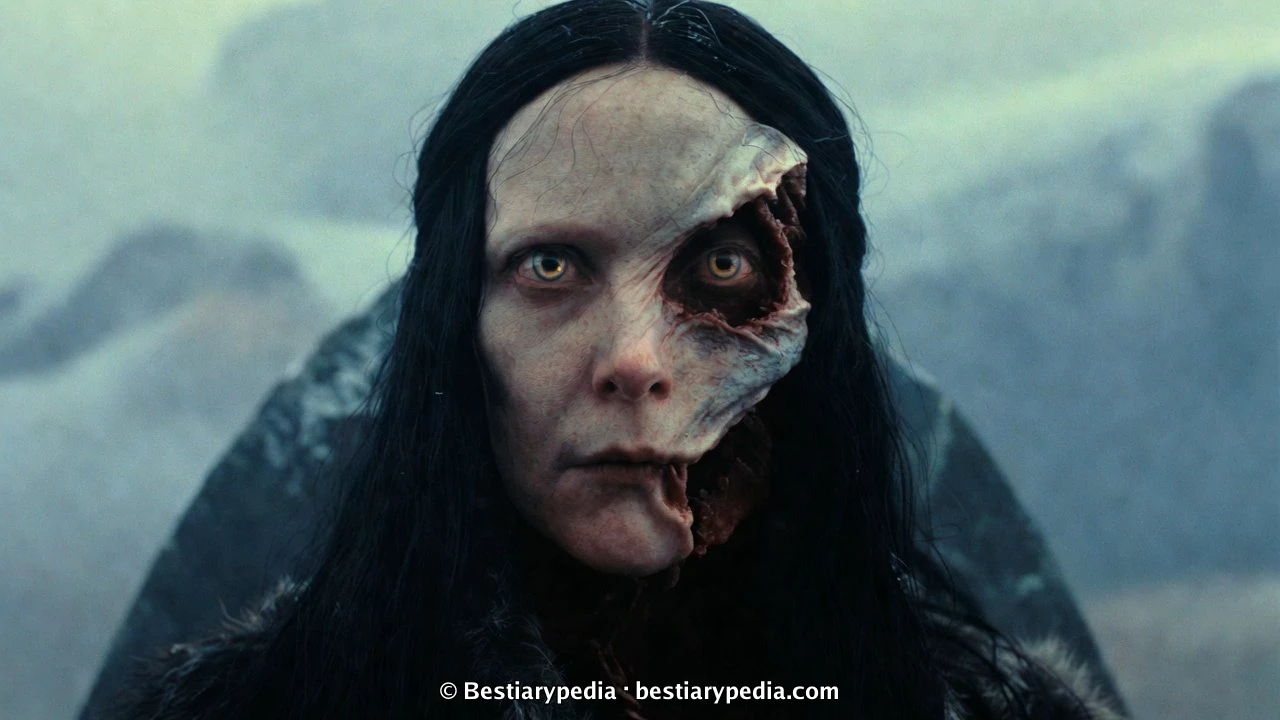
🗺️In the Atlas
Travel the beings’ world of origin and the cosmos of their dimensions.
📜 Mythologies
Norse mythology developed among the Germanic peoples of northern Europe, especially in Scandinavia, from the late Iron Age until the progressive Christianization between the 8th and 11th centuries. Its stories are preserved mainly in medieval Icelandic sources such as the Poetic Edda and the Prose Edda of Snorri Sturluson, which collect earlier oral traditions. The universe is conceived as a set of nine worlds connected by the cosmic tree Yggdrasil, in which gods, giants, humans and other beings coexist, and where the destiny of all is ruled by the Norns. The main gods are divided into two groups: the æsir, among whom Odin, Thor and Tyr stand out, and the vanir, represented by Njörðr, Freyr and Freyja, although both groups eventually integrated after a mythical war. Odin, associated with wisdom, war and poetry, occupies a central place, while Thor, god of thunder, protects humans from the giants. The end of the world, known as Ragnarök, involves a catastrophic battle in which most of the gods perish, although a later rebirth is foreseen. This tradition has exerted a lasting influence on literature, art and popular culture in Europe and America, from medieval sagas to modern representations in operas, novels and audiovisual media. Elements such as Valhalla or the valkyries have become part of the Western collective imagination, although often reinterpreted outside their original context.
Sources
Gylfaginning
Snorri Sturluson · 1220
First mythological part of Snorri Sturluson’s Prose Edda (c. 1220). Through King Gylfi, who questions the Æsir, it expounds the creation of the world, the Nine Realms and the fate of the gods at Ragnarök, key to Norse mythology.
Poetic Edda
Anonymous · 1200
Collection of ancient poems including Grímnismál with allusions to the wolves pursuing the Sun and Moon.
Prose Edda
Snorri Sturluson · 1220
Snorri Sturluson's 13th-century handbook of poetics, compiling and organising Norse mythology from the origin of the world to Ragnarök. Together with the Poetic Edda, the main source for the Scandinavian pantheon.
Frequently asked questions
Why was Baldr invulnerable?
Because his mother Frigg, alarmed by some dreams that announced his death, traveled the world taking an oath from all things that they would not harm him: the fire, the water, the iron, the stones, the trees, the diseases and the animals. Since then the gods amused themselves by throwing weapons at him, because nothing harmed him.
How did he die if nothing could hurt him?
Frigg had overlooked a mistletoe shoot, too tender to ask it for an oath. Loki made a dart with it and approached Höðr, the brother of Baldr, who was set apart from the game for being blind, offering to guide his hand. The mistletoe pierced him and he fell dead without saying a word.
Why couldn't he return from the kingdom of Hel?
Hermóðr rode nine nights on Sleipnir to Hel, who accepted to return him with a condition: that everything that exists wept for him. Everything wept, except a giantess named Þökk, who refused. It was Loki disguised. Because of that single refusal Baldr remained among the dead.
Does Baldr return after Ragnarök?
Yes. The Völuspá does not end in disaster: after the end of the world the earth emerges again from the sea, and Baldr returns from among the dead together with Höðr, his involuntary killer, to inhabit together the new world. His return is the Nordic image that destruction is not definitive.
🔖Cite this entry▾
If you cite this article in an academic, journalistic or editorial publication, use any of these formats:
Bestiarypedia. (2026, July 20). Baldr. Bestiarypedia. https://bestiarypedia.com/en/beings/baldr
Free citation with attribution and canonical link for editorial, academic or journalistic use. Full commercial reuse or creation of derivative products requires prior agreement.
Similar beings
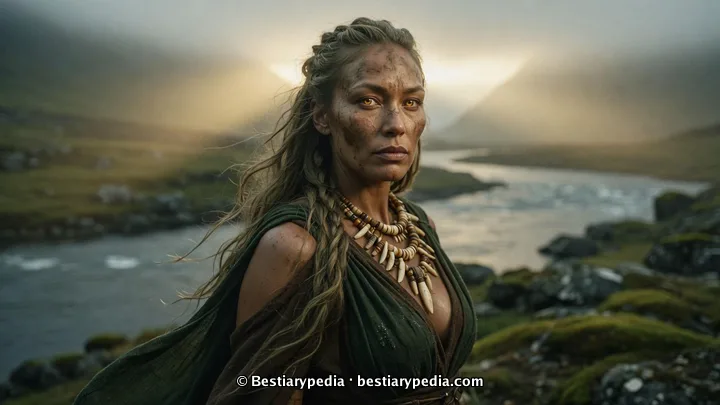
Jörð
Jörð, goddess-giant personification of the Earth in Norse mythology
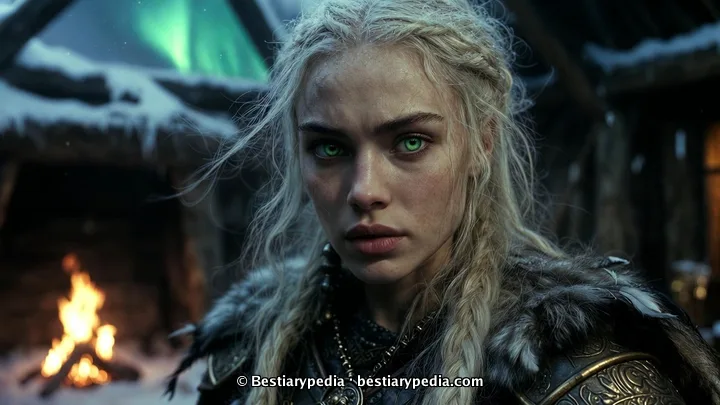
Freyja
Freyja, Norse goddess of fertility, love, beauty and war
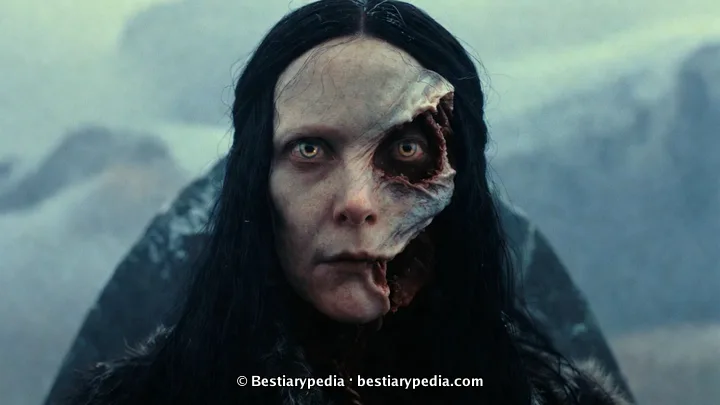
Hel
Hel, Norse goddess of the underworld and ruler of the dead who did not fall in battle
Loki
Loki, Norse god of cunning, deception and transformation
Thor
Thor, Norse god of thunder, strength and protection

Odin
Odin, chief god of the Norse pantheon and lord of wisdom, war and runic magic