Thor
Thor, Norse god of thunder, strength and protection
Curated byBestiarypediaCreated onUpdated on


 Scandinavia(Denmark, Norway, Sweden)
Family Tree

Mythical origins of Thor
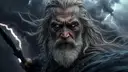
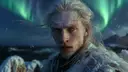
Thor is the son of Odin, the All-Father, and of Jörð, the personification of the Earth, and he is the strongest of all gods and men according to the Prose Edda of Snorri Sturluson. His ancestry unites the sovereign lineage of the Aesir with the primordial strength of the earth, and from it derives his cosmic function: to defend Asgard and Midgard, the world of humans, against the giants (jötnar) who embody chaos. Husband of the goddess Sif, of golden hair, and father of Magni and Módi with the giantess Járnsaxa, Thor is the god most venerated by the peasants and navigators of Viking Scandinavia, who saw in him the close and vigorous protector rather than the distant and cunning Odin. Amulets in the shape of his hammer multiplied in the Viking age, in part as a pagan response to the Christian cross.
Attributes and powers of Thor
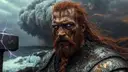
The essential attribute of Thor is Mjölnir, the hammer forged by the dwarves Sindri and Brokk that never misses the blow and always returns to his hand. To wield it he needs the strength belt Megingjörð, which doubles his divine power, and iron gloves. With Mjölnir he consecrates and destroys alike: he sanctifies weddings and births and, at the same time, crushes the skulls of the giants. Thor rules thunder and lightning, which the myths explain as the roar of his chariot pulled by two billy goats, Tanngrisnir and Tanngnjóstr, which he can sacrifice at night and resurrect at dawn with his hammer. His strength is enormous, but the sources do not portray him as invulnerable or infallible: he is credulous before deceptions, choleric and sometimes mocked by the magic of the giants, as in his humiliating visit to the court of Útgarða-Loki.
Main myths and legacy of Thor
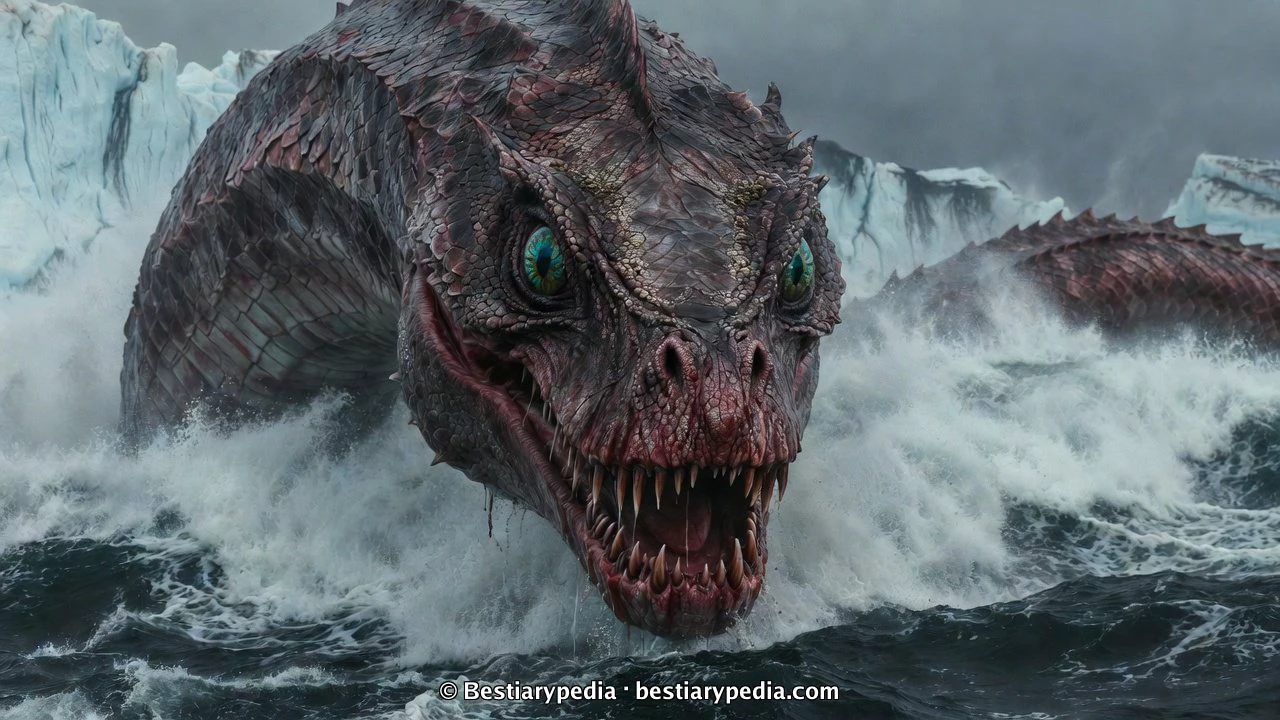
The stories of Thor revolve around his incessant struggle against the giants. He kills in duel the jötunn Hrungnir, recovers his hammer stolen by Þrymr by disguising himself as a bride (the goddess Freyja) in the Þrymskviða, and in a famous fishing trip with the giant Hymir he manages to hook Jörmungandr, the serpent that encircles the world, although it escapes. That confrontation is settled in Ragnarök, the twilight of the gods: Thor finally kills Jörmungandr, but the serpent's venom fells him and the god falls after walking barely nine steps. He does not survive the end of the world; it is his sons Magni and Módi who endure and inherit Mjölnir in the renewed world that emerges after the catastrophe. Venerated as guarantor of order and fertility, Thor left his name in the day of the week (Thursday, "day of Thor") and is, since the 19th century, one of the Norse gods with the greatest presence in popular culture.
Also known as
Relics
🏺 Mjolnir
🏺 Megingjörð
Symbology
Element
Thunder
Number
Three
Color
Red
Animals
Goat
Sigils:
🏷️ Traits
Powers
Weaknesses
Behavioral
Resistances
🔗 Relations with other beings
Rival of
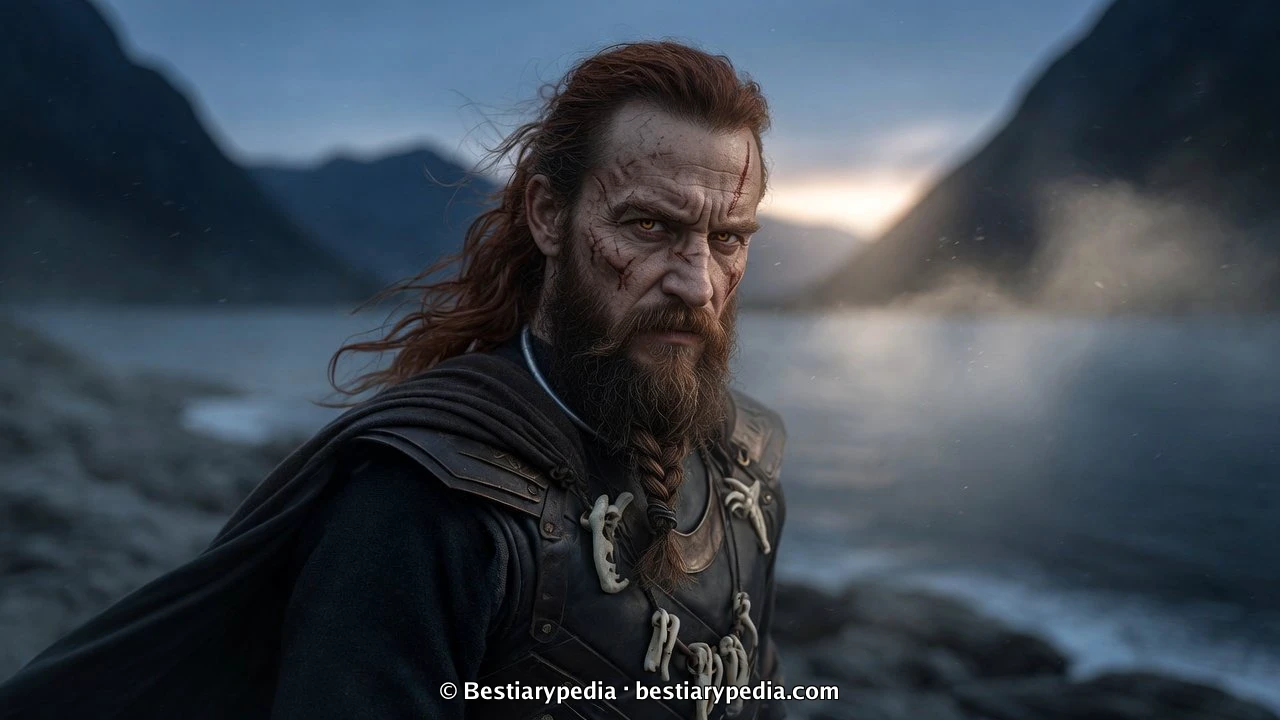
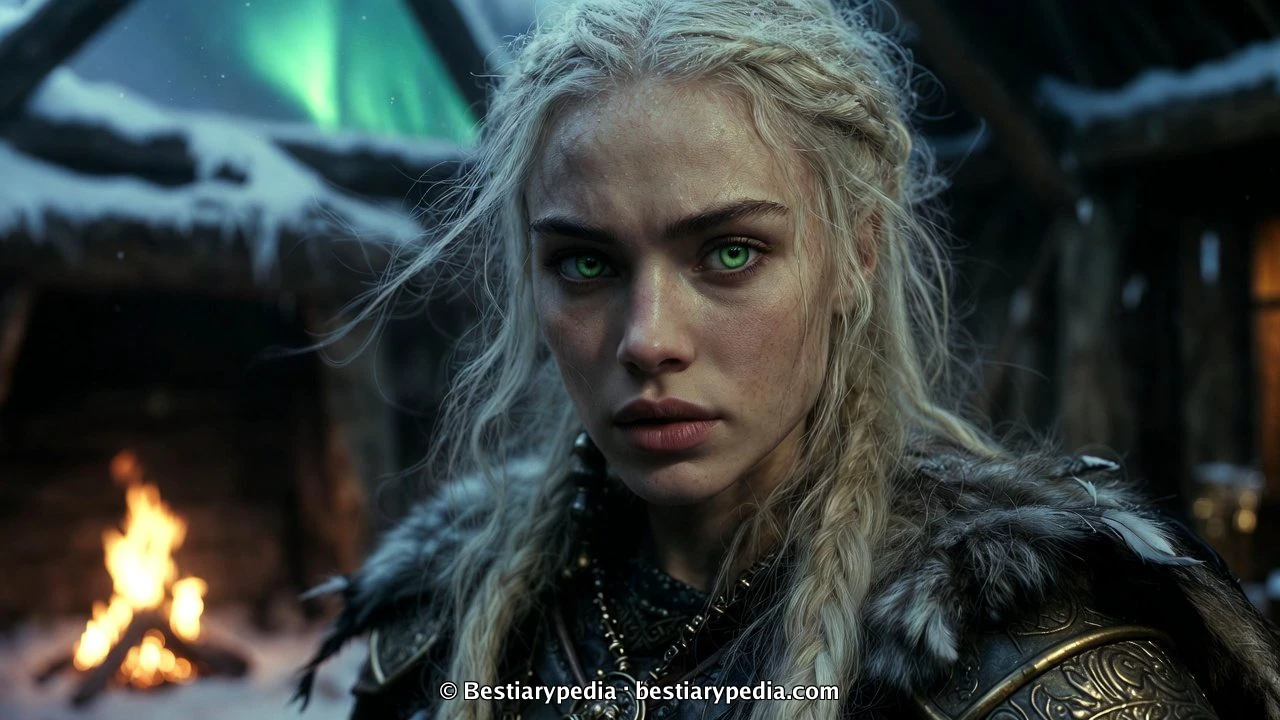
🗺️In the Atlas
Travel the beings’ world of origin and the cosmos of their dimensions.
📜 Mythologies
Norse mythology developed among the Germanic peoples of northern Europe, especially in Scandinavia, from the late Iron Age until the progressive Christianization between the 8th and 11th centuries. Its stories are preserved mainly in medieval Icelandic sources such as the Poetic Edda and the Prose Edda of Snorri Sturluson, which collect earlier oral traditions. The universe is conceived as a set of nine worlds connected by the cosmic tree Yggdrasil, in which gods, giants, humans and other beings coexist, and where the destiny of all is ruled by the Norns. The main gods are divided into two groups: the æsir, among whom Odin, Thor and Tyr stand out, and the vanir, represented by Njörðr, Freyr and Freyja, although both groups eventually integrated after a mythical war. Odin, associated with wisdom, war and poetry, occupies a central place, while Thor, god of thunder, protects humans from the giants. The end of the world, known as Ragnarök, involves a catastrophic battle in which most of the gods perish, although a later rebirth is foreseen. This tradition has exerted a lasting influence on literature, art and popular culture in Europe and America, from medieval sagas to modern representations in operas, novels and audiovisual media. Elements such as Valhalla or the valkyries have become part of the Western collective imagination, although often reinterpreted outside their original context.
Sources
Gylfaginning
Snorri Sturluson · 1220
First mythological part of Snorri Sturluson’s Prose Edda (c. 1220). Through King Gylfi, who questions the Æsir, it expounds the creation of the world, the Nine Realms and the fate of the gods at Ragnarök, key to Norse mythology.
Poetic Edda
Anonymous · 1200
Collection of ancient poems including Grímnismál with allusions to the wolves pursuing the Sun and Moon.
Prose Edda
Snorri Sturluson · 1220
Snorri Sturluson's 13th-century handbook of poetics, compiling and organising Norse mythology from the origin of the world to Ragnarök. Together with the Poetic Edda, the main source for the Scandinavian pantheon.
Völuspá of the Poetic Edda
Anonymous · c.1270
Old Norse poem in Codex Regius that mentions the Norns.
Frequently asked questions
Who are Thor's parents and what function does he fulfill among the Norse gods?
Thor is the son of Odin and of Jörð, the goddess of the Earth, and the strongest of the Aesir. His function is to defend Asgard and Midgard, the world of humans, against the giants who embody chaos, which is why he was the god most venerated by the Viking people.
What attributes and powers characterize Thor?
Thor possesses superhuman strength and governs storms and thunder through Mjolnir, his hammer, which always returns to his hand and never misses the blow. The weapon represents divine authority over natural chaos and the protection of the realms, and makes him the main guardian of Asgard.
Does Thor survive Ragnarök according to Norse myths?
No. In Ragnarök, Thor finally kills the serpent Jörmungandr, but its venom fells him and he falls after taking only nine steps. Those who survive the end of the world are his sons Magni and Módi, who inherit the hammer Mjölnir in the renewed world.
🔖Cite this entry▾
If you cite this article in an academic, journalistic or editorial publication, use any of these formats:
Bestiarypedia. (2026, July 16). Thor. Bestiarypedia. https://bestiarypedia.com/en/beings/thor
Free citation with attribution and canonical link for editorial, academic or journalistic use. Full commercial reuse or creation of derivative products requires prior agreement.
Similar beings
Jörð
Jörð, goddess-giant personification of the Earth in Norse mythology
Baldr
Baldr, the Norse god of light, purity, and innocence
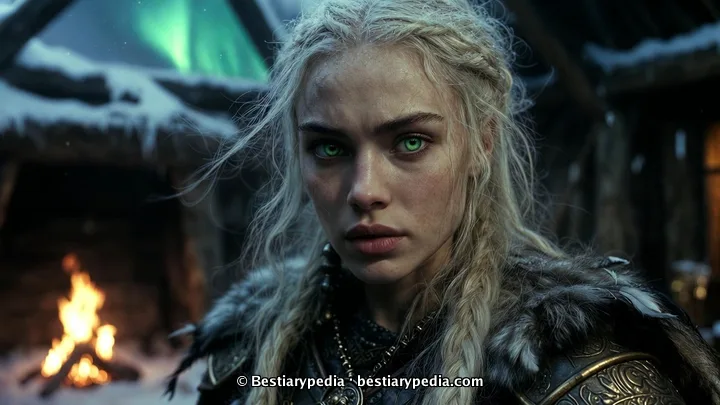
Freyja
Freyja, Norse goddess of fertility, love, beauty and war
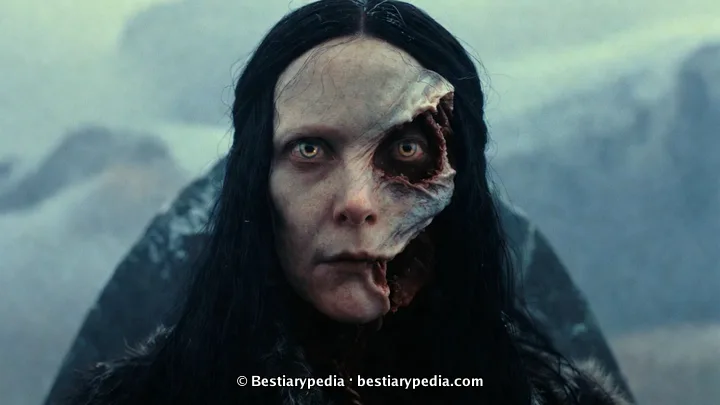
Hel
Hel, Norse goddess of the underworld and ruler of the dead who did not fall in battle
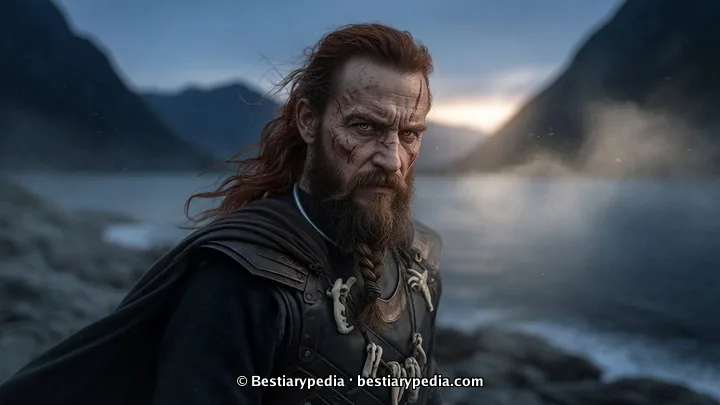
Loki
Loki, Norse god of cunning, deception and transformation

Odin
Odin, chief god of the Norse pantheon and lord of wisdom, war and runic magic