Loki
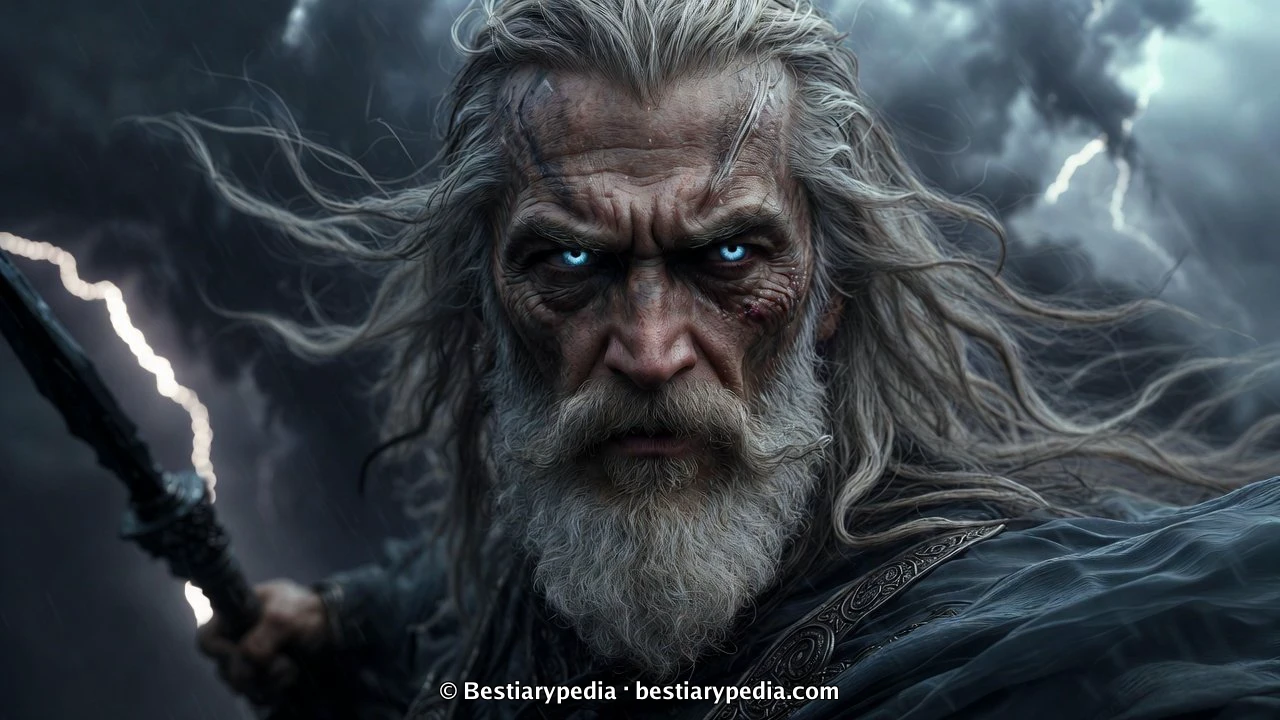
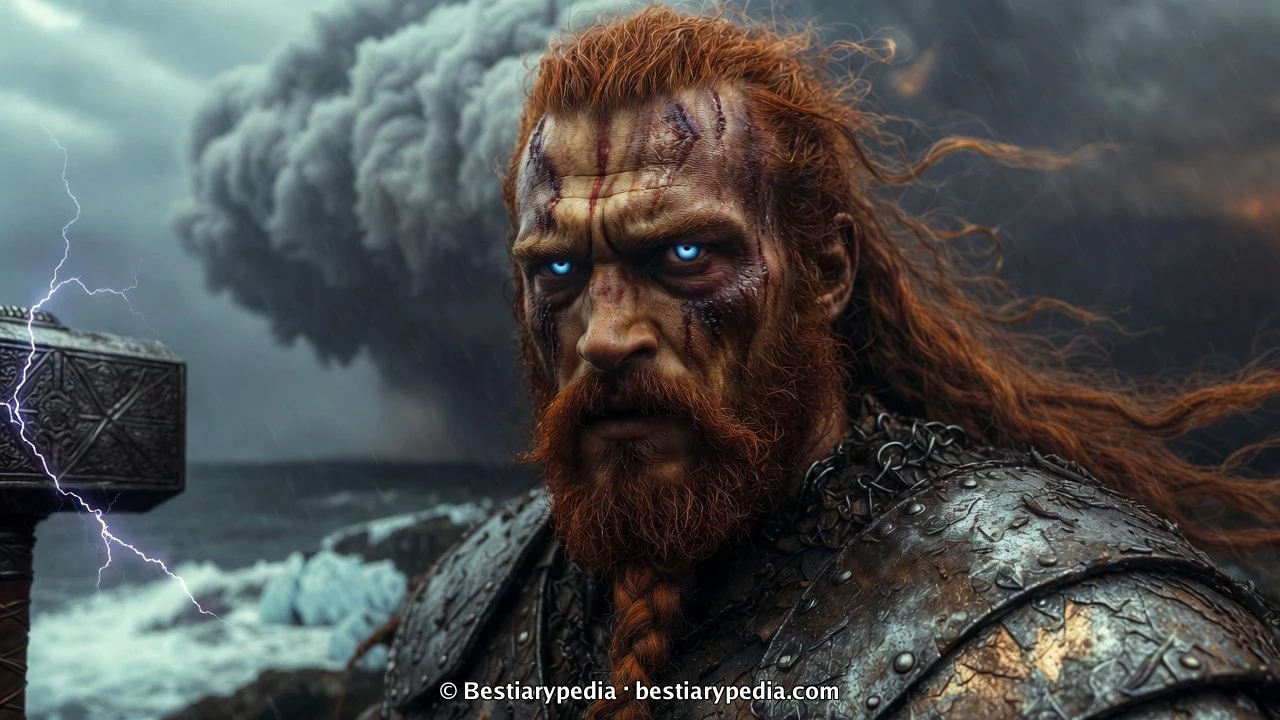
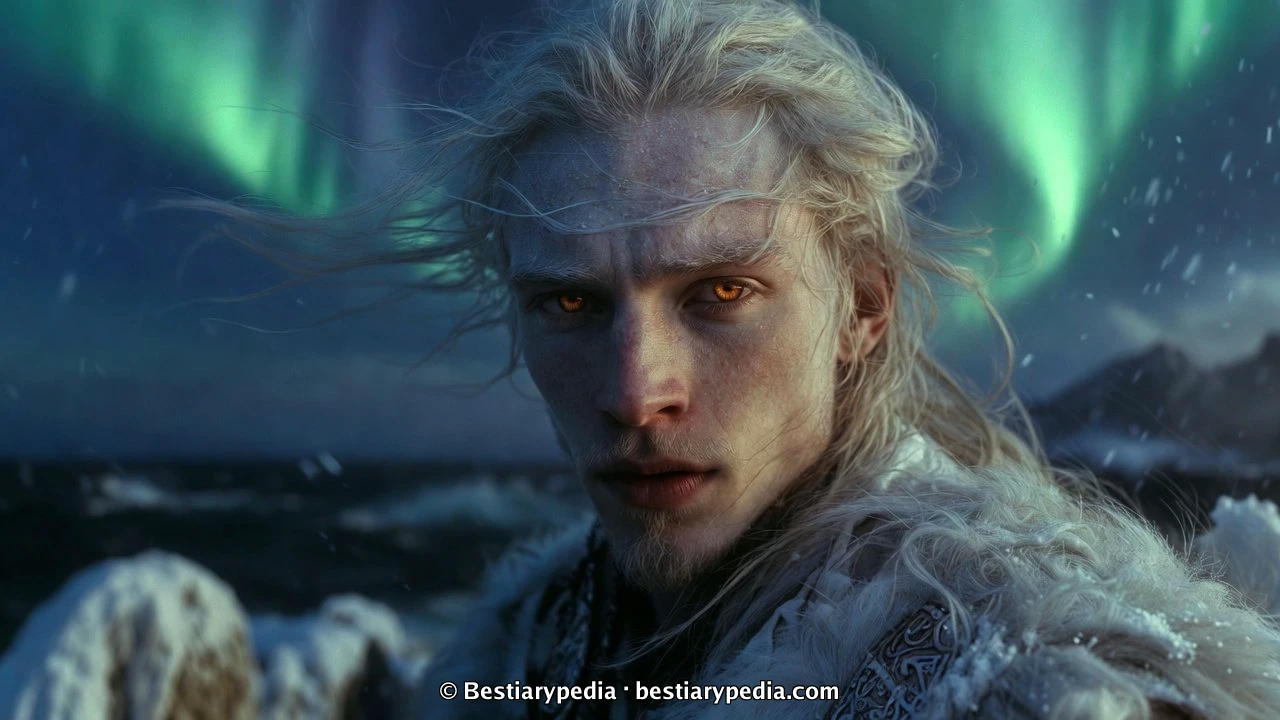
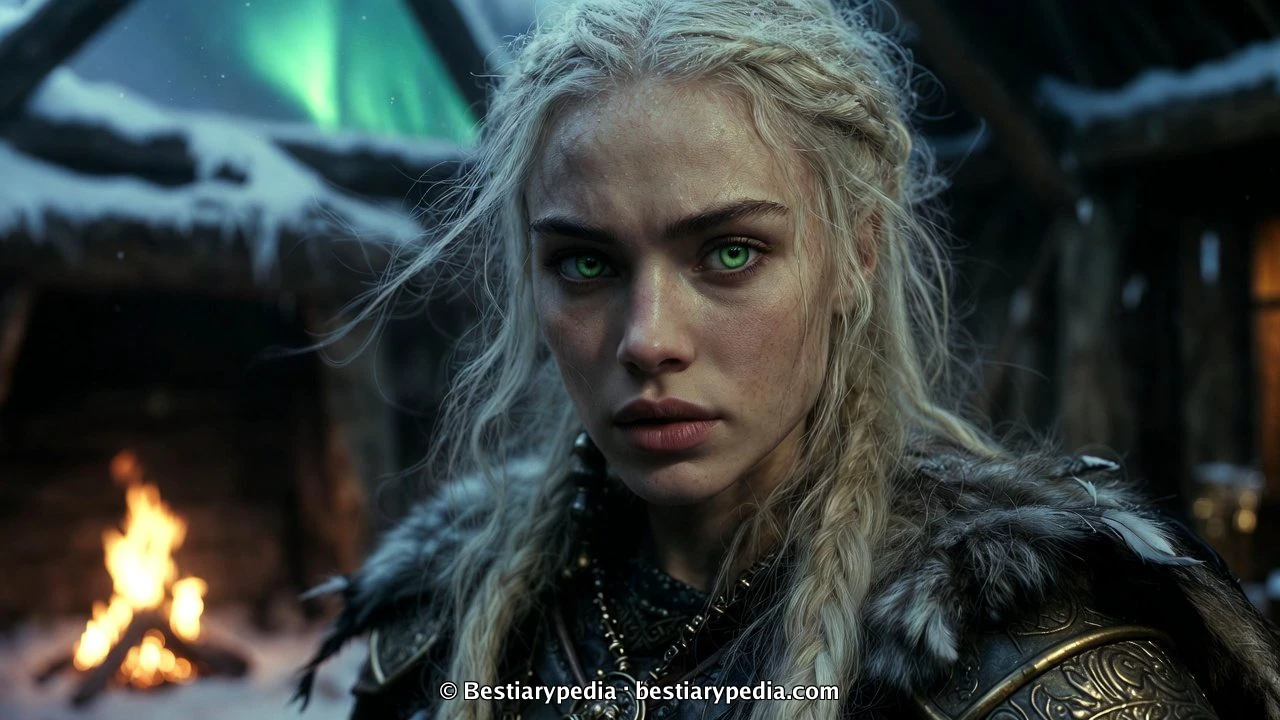
Loki, Norse god of cunning, deception and transformation
Curated byBestiarypediaCreated onUpdated on


 Scandinavia(Denmark, Norway, Sweden)
Family Tree


Mythical Origins of Loki
Loki is the son of the giant Fárbauti and Laufey (also called Nál), which inscribes him by blood in the lineage of the jötnar and not in that of the Aesir. Despite this jotunn origin, the Prose Edda and the Poetic Edda present him integrated into Asgard: according to the Lokasenna, Odin and Loki mixed their blood and sealed an oath of brotherhood, so that the Father of All does not drink without Loki also being served. This double belonging (giant by birth, Aesir by pact) defines his nature as an ambiguous intermediary, capable of moving between the two sides that structure the Nordic cosmos. The texts describe him as handsome and with agile speech, but of inconstant loyalty, a tolerated stranger whose cunning is as useful as it is dangerous for the gods.
Nature and Powers
Loki embodies cunning, deception and above all metamorphosis: he changes shape and sex at will, adopting the figure of a mare, salmon, fly, seal or old woman as suits him. With the giantess Angrboða he begets three beings decisive for the fate of the world: the wolf Fenrir, the serpent Jörmungandr and Hel, lady of the homonymous underworld. Transformed into a mare, he also gives birth to Sleipnir, Odin's eight-legged steed. Popular tradition and some late readings associate him with fire, partly due to the similarity of his name with that of the giant Logi (the voracious fire), but medieval sources clearly distinguish both characters: in the court of Útgarða-Loki it is precisely Logi, and not Loki, who wins the devouring duel. More than a god of fire, Loki is an agent of change, a catalyst that precipitates both the creation of treasures and the ruin of the gods.
Key Myths
Loki's myths oscillate between service and betrayal. In some he obtains for the Aesir their greatest treasures (the hammer Mjölnir, the spear Gungnir, the ring Draupnir) by pitting the dwarf blacksmiths against each other; in others he causes misfortunes, such as the abduction of Idun or the cutting of Sif's hair. His most fateful act is the death of Baldr: Loki discovers that mistletoe is the only thing that did not swear to abstain from harming the god and guides the hand of the blind Höðr to kill him, later preventing his return from the realm of Hel. For this crime the gods capture him and chain him on three slabs with the entrails of his own son, while a serpent distills venom over his face and his wife Sigyn collects the poison in a bowl. In Ragnarök he is freed, steers the ship Naglfar toward the final battle and dies facing Heimdall, both killing each other.
Legacy and Symbolism
As a liminal figure, Loki condenses the moral ambivalence of the Nordic world: he is at once benefactor and saboteur, creative wit and seed of destruction. His role is not that of absolute evil, but that of the force of change that no order can entirely eliminate without condemning itself to rigidity. Scholars have compared him with other trickster figures of world folklore, and his ambiguity has fueled a growing fascination since Romanticism. Reinterpreted by opera, literature and contemporary popular culture, Loki endures as a symbol of cunning, transgression and transformation, a reminder that chaos and ingenuity often share the same face.
Also known as
Relics
🏺 Loki's Rope
The unbreakable rope used to bind Fenrir, symbol of betrayal.
Symbology
Element
Fire
Number
Eight
Color
Red and Green
Animals
Wolf, Serpent, Fly
Sigils:
🏷️ Traits
Powers
Weaknesses
Behavioral
Resistances
🔗 Relations with other beings
🗺️In the Atlas
Travel the beings’ world of origin and the cosmos of their dimensions.
📜 Mythologies
Norse mythology developed among the Germanic peoples of northern Europe, especially in Scandinavia, from the late Iron Age until the progressive Christianization between the 8th and 11th centuries. Its stories are preserved mainly in medieval Icelandic sources such as the Poetic Edda and the Prose Edda of Snorri Sturluson, which collect earlier oral traditions. The universe is conceived as a set of nine worlds connected by the cosmic tree Yggdrasil, in which gods, giants, humans and other beings coexist, and where the destiny of all is ruled by the Norns. The main gods are divided into two groups: the æsir, among whom Odin, Thor and Tyr stand out, and the vanir, represented by Njörðr, Freyr and Freyja, although both groups eventually integrated after a mythical war. Odin, associated with wisdom, war and poetry, occupies a central place, while Thor, god of thunder, protects humans from the giants. The end of the world, known as Ragnarök, involves a catastrophic battle in which most of the gods perish, although a later rebirth is foreseen. This tradition has exerted a lasting influence on literature, art and popular culture in Europe and America, from medieval sagas to modern representations in operas, novels and audiovisual media. Elements such as Valhalla or the valkyries have become part of the Western collective imagination, although often reinterpreted outside their original context.
Sources
Gylfaginning
Snorri Sturluson · 1220
First mythological part of Snorri Sturluson’s Prose Edda (c. 1220). Through King Gylfi, who questions the Æsir, it expounds the creation of the world, the Nine Realms and the fate of the gods at Ragnarök, key to Norse mythology.
Poetic Edda
Anonymous · 1200
Collection of ancient poems including Grímnismál with allusions to the wolves pursuing the Sun and Moon.
Prose Edda
Snorri Sturluson · 1220
Snorri Sturluson's 13th-century handbook of poetics, compiling and organising Norse mythology from the origin of the world to Ragnarök. Together with the Poetic Edda, the main source for the Scandinavian pantheon.
Völuspá of the Poetic Edda
Anonymous · c.1270
Old Norse poem in Codex Regius that mentions the Norns.
Frequently asked questions
How did Loki originate in Norse mythology?
Loki is son of giants Fárbauti and Laufey and blood-brother to Odin. His Jotunn lineage marks him as outsider yet he integrates through cunning.
What role does Loki play in Ragnarök?
Loki frees Fenrir and battles Heimdall contributing to the end of the gods. His fickle loyalty leads him to this fate.
What symbols and transformations are associated with Loki?
His metamorphoses are his defining trait: he turns into a mare to deceive the builder of the walls of Asgard (and thus give birth to Sleipnir), into a salmon to flee from the gods, into a fly, into a hawk and into an old woman. It is advisable not to confuse him with Logi, the jötunn who personifies fire: in the Gylfaginning, Loki competes with him eating and loses, precisely because Logi is fire itself and devours even the bone and the wood.
🔖Cite this entry▾
If you cite this article in an academic, journalistic or editorial publication, use any of these formats:
Bestiarypedia. (2026, July 20). Loki. Bestiarypedia. https://bestiarypedia.com/en/beings/loki
Free citation with attribution and canonical link for editorial, academic or journalistic use. Full commercial reuse or creation of derivative products requires prior agreement.
Similar beings
Jörð
Jörð, goddess-giant personification of the Earth in Norse mythology
Baldr
Baldr, the Norse god of light, purity, and innocence
Freyja
Freyja, Norse goddess of fertility, love, beauty and war
Hel
Hel, Norse goddess of the underworld and ruler of the dead who did not fall in battle
Thor
Thor, Norse god of thunder, strength and protection

Odin
Odin, chief god of the Norse pantheon and lord of wisdom, war and runic magic