Beelzebub
Beelzebub, prince of flies and lord of the infernal legions
Curated byBestiarypediaCreated onUpdated on
Mythical Origins of Beelzebub
Beelzebub, whose name derives from Hebrew 'Ba'al Zəbûb' meaning 'Lord of the Flies', traces its origins to the Canaanite-Philistine god Baal-Zebub, worshipped in Ekron as per Second Book of Kings (1:2-3), where King Ahaziah consulted this god about his illness. In Judeo-Christian traditions, he was transformed into a major demon, a prince among the princes of Hell. In the New Testament, he is referred to as 'the prince of demons' (Matthew 12:24), capable of casting out demons by his authority over them. In medieval grimoires like Johann Weyer's Pseudomonarchia Daemonum, he is portrayed as the second king of Hell after Lucifer, commanding 66 legions of evil spirits, associated with corruption and plague.
Appearance and Symbols of Beelzebub
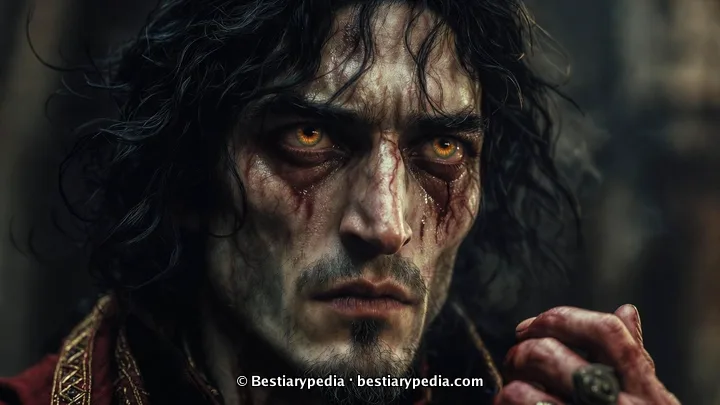
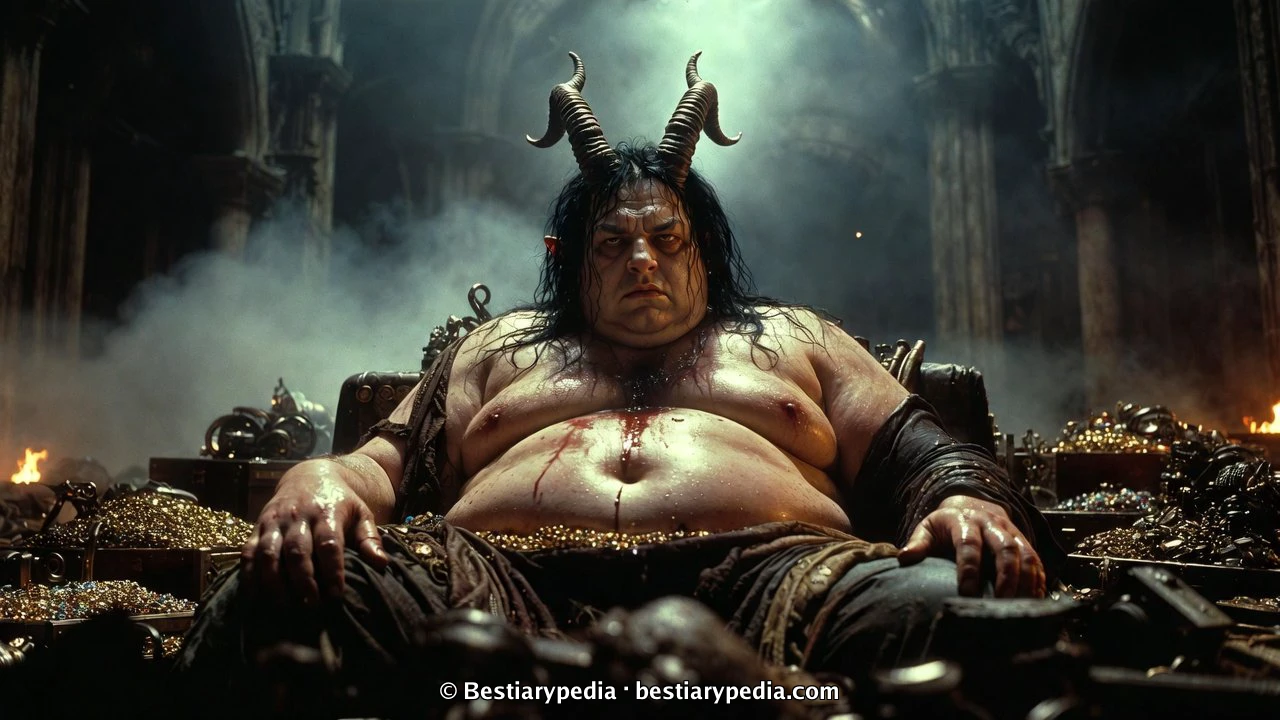
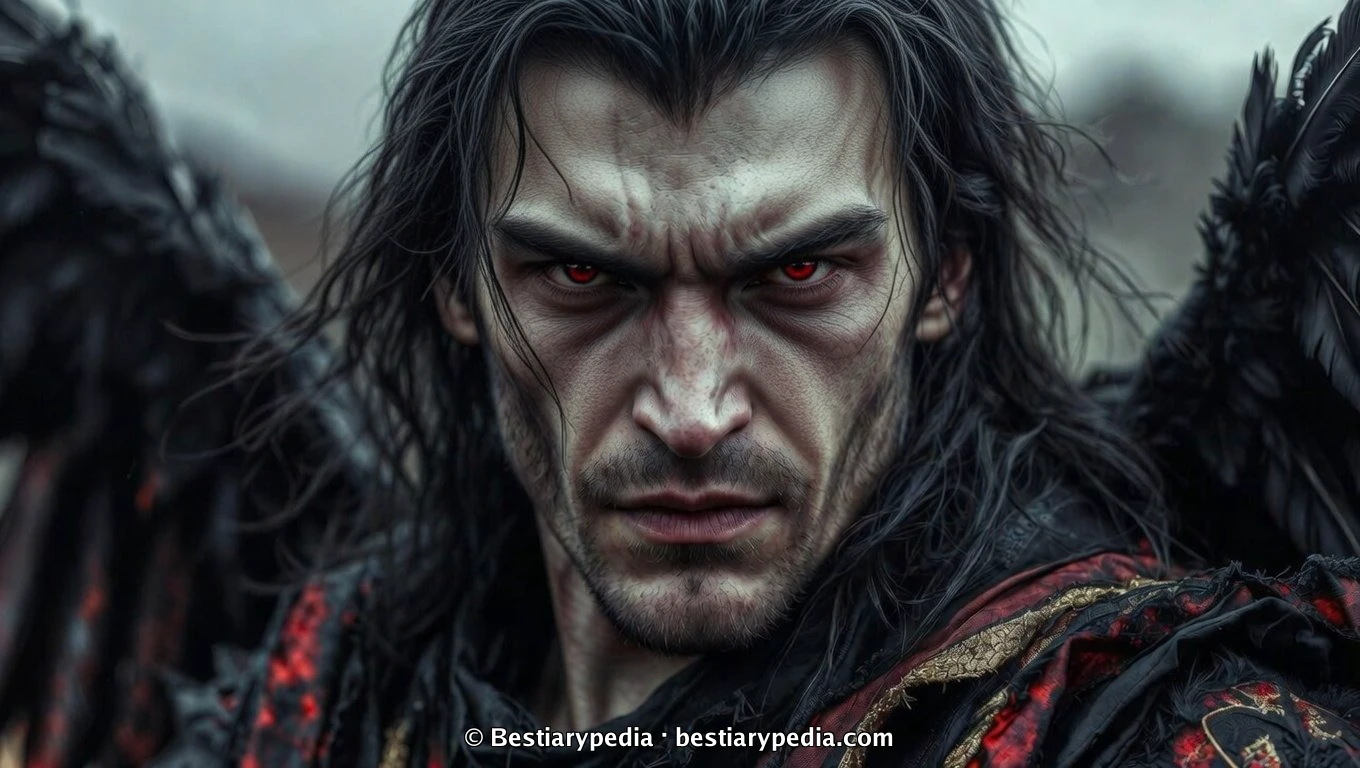
Beelzebub is depicted in demonic texts with a terrifying appearance: giant fly head or twisted horns, black hairy humanoid body, translucent insect wings, and multiple limbs or scorpion tail. In Collin de Plancy's Dictionnaire Infernal, he appears as a fat demon wearing a crown, holding a scepter, surrounded by a swarm of flies, symbolizing corruption and decay. His eyes glow with malice, and he exhales foul vapors that spread diseases and plague, reflecting his nature as lord of flies and stealer of souls through carnal temptations.
Powers and Abilities of Beelzebub
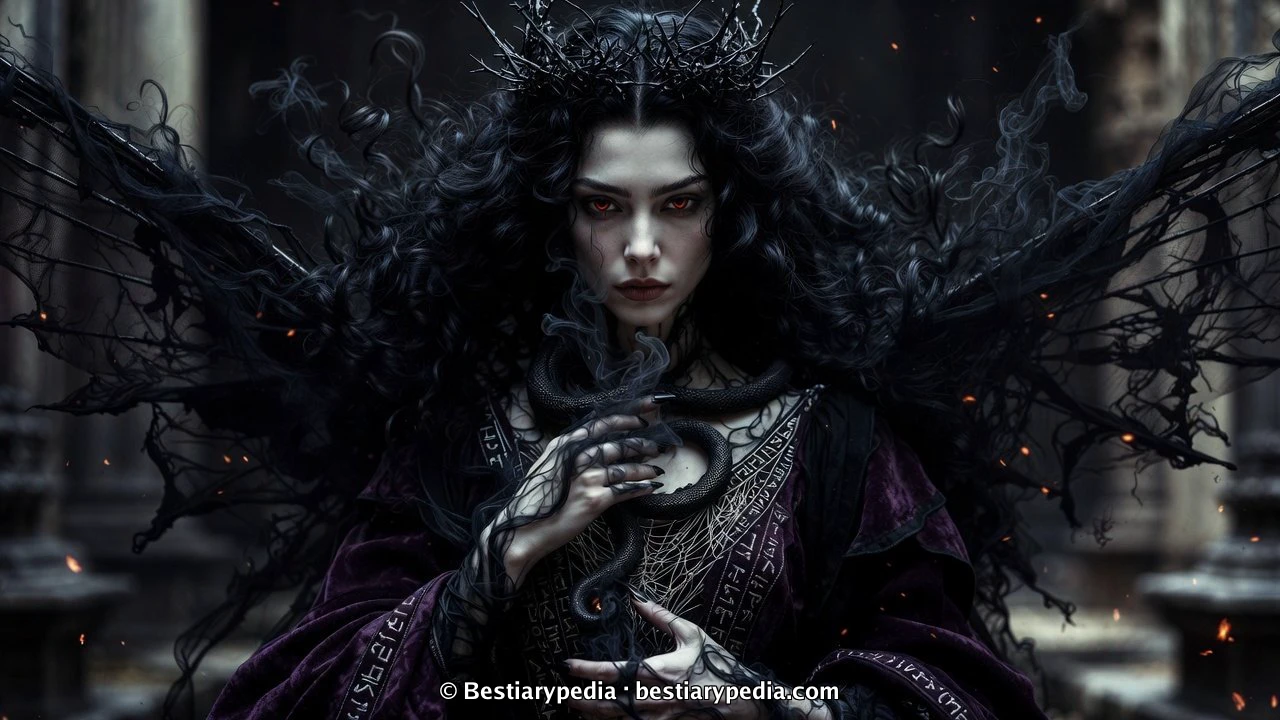
Beelzebub's powers include inciting gluttony and greed, unleashing insect plagues, sowing discord and rebellion, and causing physical and spiritual addictions. As lord of flies, he controls swarms that devour corpses and transmit epidemics, symbol of moral and bodily decay. In the infernal hierarchy, he rivals Satan or acts as his lieutenant, mentoring demons like Asmodeus and Lilith, invoked in black magic to grant worldly power in exchange for the soul, but punishes the presumptuous with incurable diseases and madness.
Worship and Cultural Legacy of Beelzebub
Beelzebub represents the transformation of pagan gods into symbols of evil in Abrahamic traditions, emblem of gluttony and corruption as one of the seven princes of sin. In popular culture, he inspired Golding's 'Lord of the Flies', embodying innate human evil. He is worshipped in modern Satanic cults as patron of rebellion and bodily freedom, with rituals involving insect sacrifices and inverted New Testament hymns. In demonology, he remains the second most powerful demon, ally of Lucifer in the eternal spiritual war against good.
Also known as
Relics
🏺 Fly Scepter
🏺 Hell Crown
Symbology
Element
Foul Air
Number
66
Color
Black
Animals
Hellfly, Demonic Scorpion
Sigils:
🏷️ Traits
Powers
Weaknesses
Behavioral
Resistances
🔗 Relations with other beings
🗺️In the Atlas
Travel the beings’ world of origin and the cosmos of their dimensions.
📜 Mythologies
Canaanite mythology developed among the Semitic peoples who inhabited the region of Canaan, located in the eastern Mediterranean Levant, from the late third millennium BCE until the first half of the first millennium BCE. The main sources for its knowledge come from the texts discovered at Ugarit, as well as references in Egyptian, Hittite and Hebrew documents. This tradition formed part of a broader set of religions of the ancient Near East and shared elements with Mesopotamian and Egyptian mythologies, although it retained distinctive features linked to the coastal and agricultural environment of the area. In the Canaanite pantheon, the divinities associated with fertility, storms and the sea occupied a prominent place. Baal, god of rain and vegetation, played a central role in the myths of combat against the forces of chaos, while Asherah, associated with motherhood and sacred trees, figured as the consort of the supreme god El. Other relevant figures included Astarte, Dagan and Mot, who embodied aspects of war, grain and death respectively. Worship was practiced in local shrines and temples, with rituals that sought to ensure agricultural prosperity and the protection of the city-states. The influence of Canaanite mythology is perceived in later traditions of the Levant, especially in the religion of ancient Israel, where certain elements were reinterpreted or rejected. Epigraphic and archaeological remains found in Phoenicia and Palestine attest to the continuity of some cults until the Hellenistic period, at which time a progressive fusion with Greek and Roman divinities took place.
Sources
Pseudomonarchia Daemonum
Johann Weyer · 1577
Catalogue of sixty-nine demons included by Johann Weyer in his work "De praestigiis daemonum" (1577). It describes the infernal hierarchy, its ranks and offices, and is the direct precedent of the Ars Goetia and later Western demonology.
Paradise Lost
John Milton · 1667
Epic poem by John Milton (1667) on the Fall of Man, which enumerates the fallen angels (among them Dagon) turned into pagan idols.
Dictionnaire Infernal
Collin de Plancy · 1818
Demonological dictionary by Collin de Plancy (1818), famous for the illustrations by Louis Le Breton in its 1863 edition. It catalogues demons, superstitions and infernal beings, and popularized the visual image of many entities of goetia.
Old Testament
Hebrew Tradition · c. 600 BCE
The Bible: Old Testament, especially 2 Kings 1:2-3, mentions Baal-Zebub as god of Ekron, origin of demonic Beelzebub.
Frequently asked questions
From which Canaanite deity does the name of Beelzebub derive and how was it transformed into a demon in the Judeo-Christian tradition?
Beelzebub derives from the Canaanite-Philistine god Baal-Zebub, worshipped in Ekron according to the Second Book of Kings. In the Judeo-Christian tradition he was transformed into a major demon and prince of Hell. The New Testament calls him prince of the demons and medieval grimoires place him as second king after Lucifer.
What characteristic powers does Beelzebub exercise according to grimoires and medieval demonology?
Beelzebub incites gluttony and greed, unleashes insect plagues and sows discord and rebellion. He controls swarms that devour corpses and transmit epidemics. Invoked in black magic he grants worldly power in exchange for the soul, but punishes the presumptuous with incurable diseases and madness.
What relationships does Beelzebub maintain with Satan, Asmodeus and Lilith in the infernal hierarchy?
Beelzebub rivals Satan for dominion over the infernal legions and positions himself as second in power or occasional lieutenant. He acts as mentor to Asmodeus and Lilith, guiding them in corruption, plagues and dominion over legions. He fosters their role in rebellion and carnal temptations.
What place does Beelzebub occupy in the infernal hierarchy according to the Pseudomonarchia Daemonum?
According to the Pseudomonarchia Daemonum, Beelzebub is the second king of Hell after Lucifer. He commands 66 legions of evil spirits. He is associated with corruption and plague as one of the princes of sin.
🔖Cite this entry▾
If you cite this article in an academic, journalistic or editorial publication, use any of these formats:
Bestiarypedia. (2026, July 14). Beelzebub. Bestiarypedia. https://bestiarypedia.com/en/beings/beelzebub
Free citation with attribution and canonical link for editorial, academic or journalistic use. Full commercial reuse or creation of derivative products requires prior agreement.