Neptune
Neptune, Roman god of the sea, earthquakes and horses
Curated byBestiarypediaCreated onUpdated on
 Ancient Rome(Italy)
Family Tree




Origins of Neptune
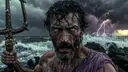
Neptune (*Neptunus*) is the Roman god of the sea, son of Saturn and Ops and brother of Jupiter and Pluto. According to the myth, after the victory over the titans the three brothers divided the cosmos by lot: to Jupiter the sky corresponded, to Pluto the underworld and to Neptune the waters. In his Italic origin, however, Neptune was not a marine divinity, but a god of the fresh waters, the springs and the fountains, essential in an agricultural Rome concerned with drought; only later, by effect of the *interpretatio romana* that identified him with the Greek Poseidon, he assumed the dominion of the sea, the earthquakes and the horses. His consort is Salacia, personification of the salt water, Roman equivalent of Amphitrite.
Domain and attributes
As lord of the waters, Neptune unleashes or calms the storms, makes the earth tremble (hence his Greek epithet of «earth shaker») and is considered creator and patron of horses, for which he was also venerated as *Neptunus Equester*, protector of equestrian races. His unmistakable attribute is the **trident**, with which he strikes the waters and rocks to raise waves or make springs gush forth. He is represented as a mature, bearded and powerful man, often on a chariot pulled by hippocampi (sea horses) and accompanied by tritons and nereids. The dolphin and the horse are his sacred animals, and his image presides over numerous mosaics and fountains of the Roman world.
Cult and Legacy
In Virgil's *Aeneid*, Neptune intervenes with authority to calm the storm that Juno had unleashed against Aeneas's fleet, rebuking the winds for invading his domain: one of the most celebrated scenes in the poem. His festival, the **Neptunalia**, was celebrated on July 23, in the middle of summer, when drought was most feared, and the Romans erected huts of branches by the water to celebrate. He had a temple in the Campus Martius and an altar in the Circus Flaminius. With the expansion of the Empire, his figure spread throughout the Mediterranean, and in later art (from the Renaissance to the great Baroque fountains, such as the Fontana di Trevi) Neptune with his trident became the quintessential image of the power of the sea, even giving his name to the eighth planet of the solar system.
Also known as
Relics
🏺 Neptune's Trident
Divine weapon that controls seas and causes earthquakes.
Symbology
Element
Water
Number
Three
Color
Deep blue
Animals
Horse, Bull, Dolphin
Sigils:
🏷️ Traits
Powers
Weaknesses
Behavioral
Resistances
🔗 Relations with other beings
🗺️In the Atlas
Travel the beings’ world of origin and the cosmos of their dimensions.
📜 Mythologies
Roman mythology was formed from the beliefs and religious practices of the Italic peoples, especially the Latins, between the 8th and 1st centuries BCE in the Italian peninsula. Its origins lie in local agrarian and familial traditions which, with the expansion of Rome and contact with Etruria and the Greek colonies of southern Italy, incorporated Hellenic divinities and narratives. The principal divinities included Jupiter, Juno and Minerva, together with Mars, Venus and other deities linked to civil and state functions, many of them assimilated to Greek figures without a complete substitution of the autochthonous cults. The Roman religious system was characterized by a pragmatic vision of the world in which the maintenance of the pax deorum was essential for the prosperity of the community. Rituals, auguries and the cult of the lares and manes formed part of a structure in which religion was closely linked to political and family life. Over time, the pantheon was enriched through the interpretatio romana of foreign gods and the introduction of Eastern cults. Its legacy is perceived in Latin literature, in the organization of the calendar and in the survival of numerous divine names in the Romance languages and in later Western iconography. Elements of Roman mythology influenced Renaissance art and European culture up to the contemporary era, preserving their mark in toponyms, festivities and the transmission of mythological narratives through authors such as Ovid and Virgil.
Sources
Aeneid
Virgil · -19
Epic by Virgil narrating Aeneas's journey and the mythical foundation of Rome.
Fasti
Ovid · 8
Poem by Ovid describing Roman festivals and myths associated with the calendar.
Metamorphoses
Ovid · 8
Work by Ovid narrating mythological transformations including marine interventions.
Frequently asked questions
Whose son is Neptune and how did he obtain the dominion of the sea?
Neptune is son of Saturn and Ops, and brother of Jupiter and Pluto. After the victory over the titans, the three brothers distributed the cosmos by lot: to Jupiter corresponded the sky, to Pluto the underworld and to Neptune the waters.
Was Neptune always a sea god?
No. In its Italic origin it was a divinity of the fresh waters, the springs and the fountains, essential in an agricultural Rome concerned with the drought. Only upon identifying with the Greek Poseidon did it assume the dominion of the sea, the earthquakes and the horses.
What attributes and symbols characterize Neptune?
His unmistakable attribute is the trident, with which he raises the waves or makes springs gush forth. He is represented on a chariot pulled by hippocampi, and his sacred animals are the dolphin and the horse. As Neptunus Equester he was also the patron of equestrian races.
What cult and myths are associated with him?
His festival, the Neptunalia, was celebrated on July 23, in the middle of summer, when the drought was most feared. In Virgil's Aeneid he calms the storm that Juno had unleashed against Aeneas's fleet, reprimanding the winds for invading his domain.
🔖Cite this entry▾
If you cite this article in an academic, journalistic or editorial publication, use any of these formats:
Bestiarypedia. (2026, July 26). Neptune. Bestiarypedia. https://bestiarypedia.com/en/beings/neptune
Free citation with attribution and canonical link for editorial, academic or journalistic use. Full commercial reuse or creation of derivative products requires prior agreement.
Similar beings
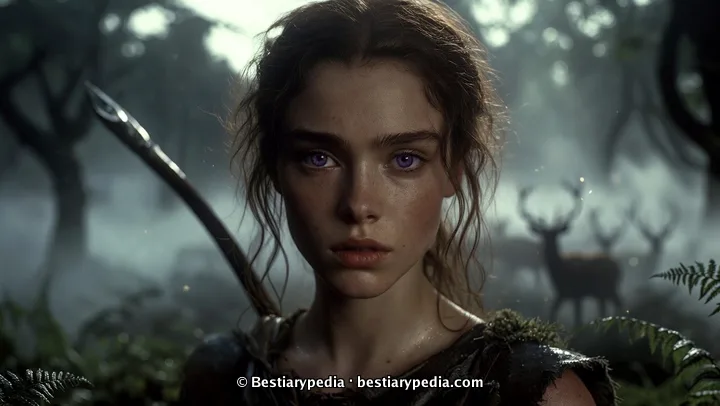
Diana
Diana, Roman goddess of hunting, the moon, nature and childbirth
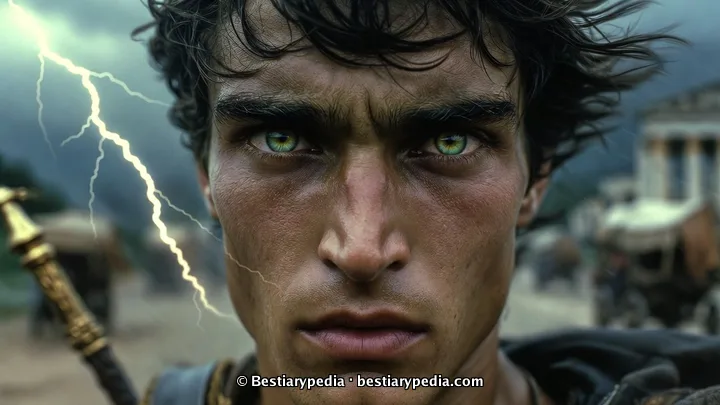
Mercury
Mercury, Roman god of commerce, travelers, thieves and eloquence
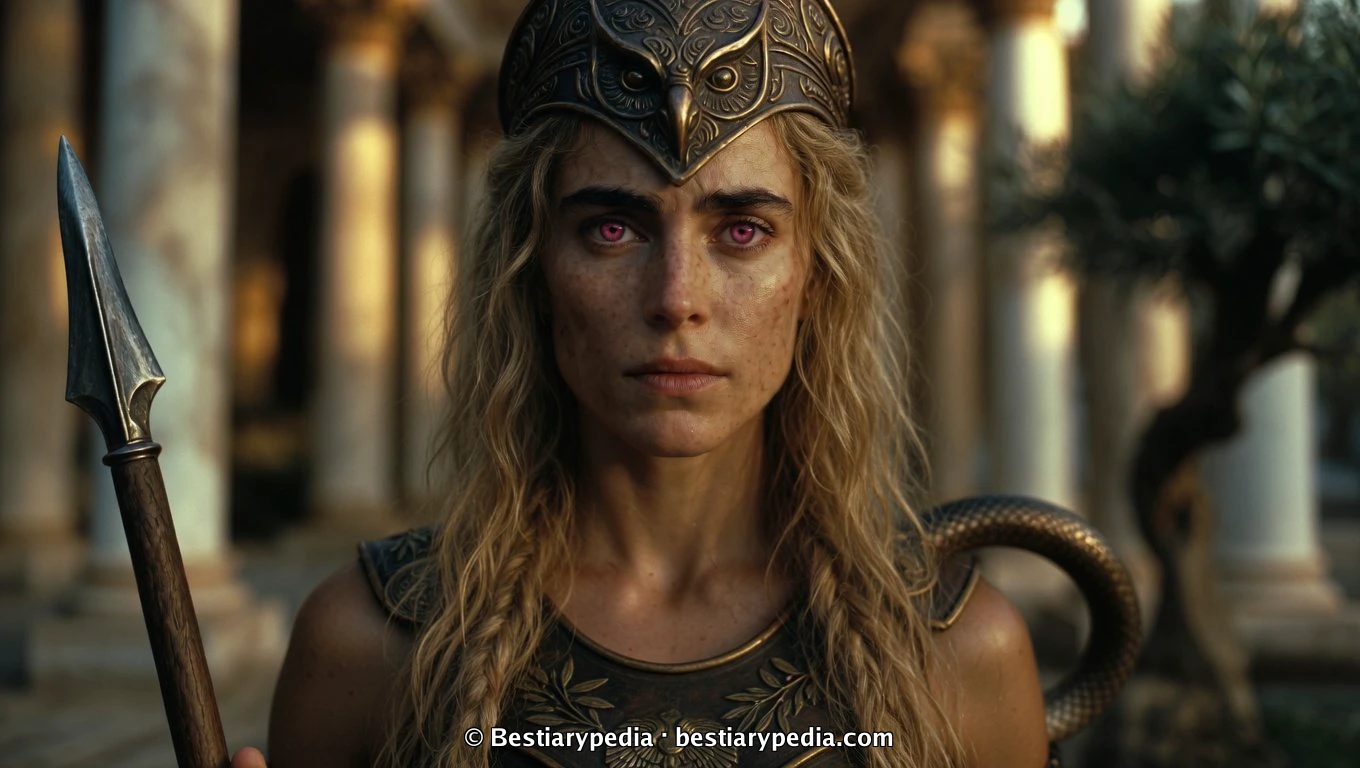
Minerva
Minerva, Roman goddess of wisdom, strategic war and the arts
Mars
Mars, the Roman god of war, agriculture, and fertility
Juno
Juno, Roman goddess of marriage, the state and the protection of women
Pluto
Pluto, Roman god of the underworld and lord of subterranean riches
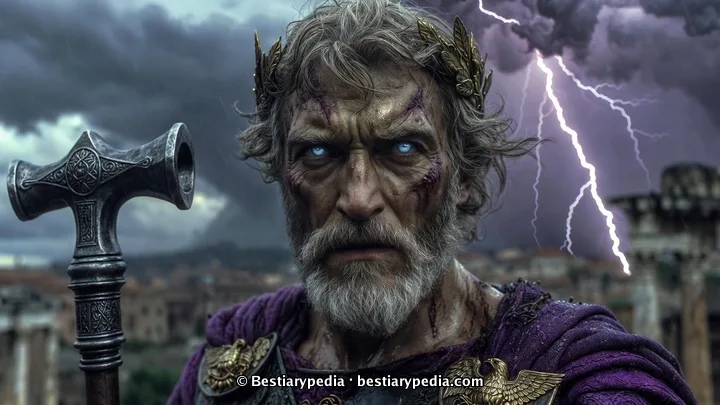
Jupiter
Jupiter, supreme god of the Roman pantheon, lord of the sky, thunder, and divine justice