Pluto
Pluto, Roman god of the underworld and lord of subterranean riches
Curated byBestiarypediaCreated onUpdated on
 Ancient Rome(Italy)
Family Tree




Identity and Equivalences of Pluto
Pluto (in Latin Pluto, from the Greek Plouton, «the rich one») is the Roman god of the underworld and of the riches hidden in the subsoil, such as metals and minerals. According to Plato in the «Cratylus», his name alludes to the wealth (ploutos) that springs from the earth. He is the Roman equivalent of the Greek Hades, with whom he shares figure and attributes, and he was also assimilated to the ancient Italic deities Dis Pater («rich father») and Orcus. Son of Saturn and Ops, he is the brother of Jupiter and Neptune; when the three brothers overthrew the Titans and divided the cosmos by lot, the sky fell to Jupiter, the sea to Neptune and the kingdom of the dead to Pluto. He should not be confused with Plutus (Ploutos), the Greek god of wealth and son of Demeter, although both share the trait of the abundance that emanates from the earth.
Realm of the Underworld and Riches
As lord of the underworld, Pluto reigns over the souls of the deceased in an immutable domain from which almost no one returns. His realm, the Avernus, is guarded by Cerberus, the many-headed dog that prevents the dead from leaving and the living from entering. Unlike other gods, he rarely ascends to the surface and does not intervene in the affairs of the living, except to claim what belongs to him. Alongside his funerary aspect, he embodies the wealth of the subsoil: he is the owner of the precious metals, the gems and the mineral veins hidden beneath the earth, hence his name «the rich one». This dual nature, death and abundance, links him both to funeral rites and to agricultural fertility, for from the same soil that keeps the dead the harvests spring forth. He is depicted as stern and just, enthroned with the sceptre or the cornucopia, and often accompanied by his wife Proserpina.
The Abduction of Proserpina and the Cult
Pluto's central myth is the abduction of Proserpina, daughter of Ceres and Jupiter. Smitten with the young woman, Pluto seized her while she gathered flowers and carried her off to his realm to make her his queen. Ceres, devastated, wandered the world searching for her and, in her grief, left the earth barren. Jupiter mediated an agreement: Proserpina would spend part of the year in the underworld, beside Pluto, and the rest on the surface with her mother, for she had tasted the pomegranate seeds that bound her to the kingdom of the dead. This cycle mythically explains the succession of the seasons: winter when the goddess descends and spring when she returns. The tale, sung by Ovid in the «Metamorphoses» and the «Fasti» and developed by Claudian in «De Raptu Proserpinae», is the quintessential Roman myth about death and renewal. In his cult, Pluto received chthonic offerings and was invoked alongside Proserpina at the Ludi Saeculares.
Also known as
Relics
🏺 Cornucopia
Goat's horn overflowing with endless fruits and riches.
🏺 Helm of Invisibility
Helm of Hades granting invisibility to the wearer.
Symbology
Element
Earth and Gold
Number
Three
Color
Black and Gold
Animals
Cerberus Hound
Sigils:
🏷️ Traits
Powers
Weaknesses
Behavioral
Resistances
🗺️In the Atlas
Travel the beings’ world of origin and the cosmos of their dimensions.
📜 Mythologies
Roman mythology was formed from the beliefs and religious practices of the Italic peoples, especially the Latins, between the 8th and 1st centuries BCE in the Italian peninsula. Its origins lie in local agrarian and familial traditions which, with the expansion of Rome and contact with Etruria and the Greek colonies of southern Italy, incorporated Hellenic divinities and narratives. The principal divinities included Jupiter, Juno and Minerva, together with Mars, Venus and other deities linked to civil and state functions, many of them assimilated to Greek figures without a complete substitution of the autochthonous cults. The Roman religious system was characterized by a pragmatic vision of the world in which the maintenance of the pax deorum was essential for the prosperity of the community. Rituals, auguries and the cult of the lares and manes formed part of a structure in which religion was closely linked to political and family life. Over time, the pantheon was enriched through the interpretatio romana of foreign gods and the introduction of Eastern cults. Its legacy is perceived in Latin literature, in the organization of the calendar and in the survival of numerous divine names in the Romance languages and in later Western iconography. Elements of Roman mythology influenced Renaissance art and European culture up to the contemporary era, preserving their mark in toponyms, festivities and the transmission of mythological narratives through authors such as Ovid and Virgil.
Sources
Aeneid
Virgil · -19
Epic by Virgil narrating Aeneas's journey and the mythical foundation of Rome.
Fasti
Ovid · 8
Poem by Ovid describing Roman festivals and myths associated with the calendar.
Frequently asked questions
How did Pluto emerge in the Titanomachy and what realm did he receive by lot?
Pluto, son of Saturn and Ops, emerged as one of the three divine brothers who overthrew the Titans. He received the underworld as his domain by lot. His role as lord of the Roman Orcus links him to the fate of souls and subterranean treasures.
What attributes and duality characterize Pluto's dominion over death and wealth?
Stern ruler of the Roman Orcus, Pluto controls mines, gems, and precious metals. Just but inexorable, he judges souls and bestows prosperity on those who honor his rites. His duality between death and wealth defines his cult in agricultural and mining rituals.
What mythological relationship does Pluto maintain with Proserpina and how does it affect seasonal cycles?
In the abduction of Proserpina, Pluto kidnapped her as his wife, causing winter due to Ceres' grief. His cornucopia symbolizes the abundance of fertile earth. These tales highlight his connection to seasonal cycles and subterranean prosperity.
🔖Cite this entry▾
If you cite this article in an academic, journalistic or editorial publication, use any of these formats:
Bestiarypedia. (2026, July 16). Pluto. Bestiarypedia. https://bestiarypedia.com/en/beings/pluto
Free citation with attribution and canonical link for editorial, academic or journalistic use. Full commercial reuse or creation of derivative products requires prior agreement.
Similar beings
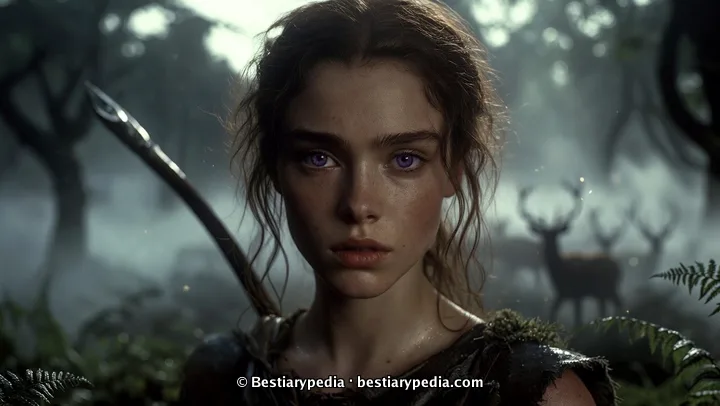
Diana
Diana, Roman goddess of hunting, the moon, nature and childbirth
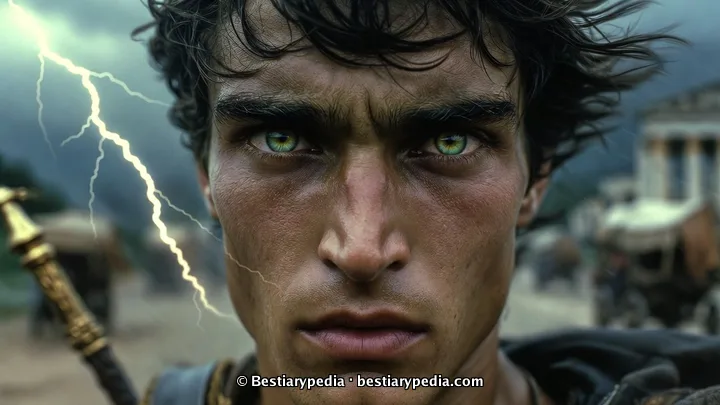
Mercury
Mercury, Roman god of commerce, travelers, thieves and eloquence
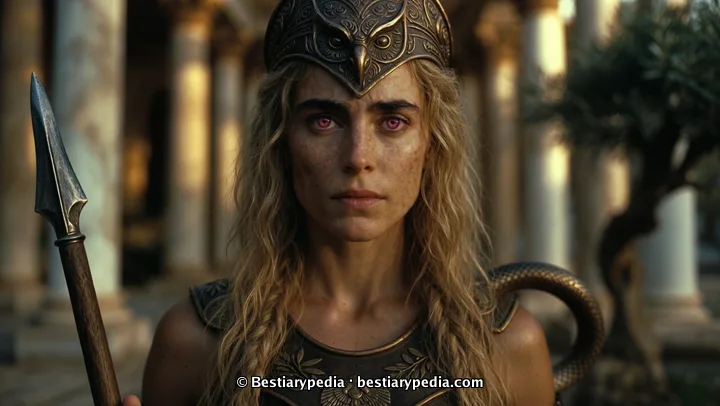
Minerva
Minerva, Roman goddess of wisdom, strategic war and the arts
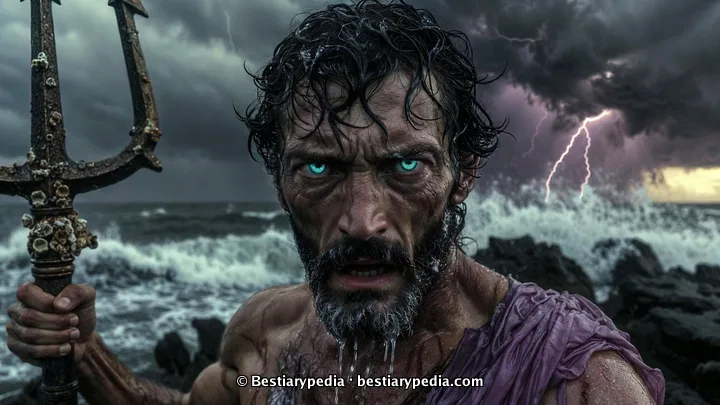
Neptune
Neptune, Roman god of the sea, earthquakes and horses
Mars
Mars, the Roman god of war, agriculture, and fertility
Juno
Juno, Roman goddess of marriage, the state and the protection of women
Jupiter
Jupiter, supreme god of the Roman pantheon, lord of the sky, thunder, and divine justice