Diana
Diana, Roman goddess of hunting, the moon, nature and childbirth
Curated byBestiarypediaCreated onUpdated on
 Ancient Rome(Italy)
Family Tree

Origins of Diana
Diana is the Roman goddess of hunting, the moon, wild nature and childbirth. In her origin she was an ancient Italic divinity of the forests and uncultivated spaces, venerated especially in the **sacred grove of Aricia**, next to Lake Nemi, where she was known as *Diana Nemorensis*, «Diana of the grove». By effect of the *interpretatio romana* she was fully identified with the Greek **Artemis**, assuming her mythology: daughter of **Jupiter** and **Latona**, and twin sister of **Apollo**, born according to the myth on the island of Delos, at the foot of Mount Cynthus. Like her Greek equivalent, she is a virgin goddess who rejected marriage to preserve her independence, and traverses the mountains accompanied by a retinue of nymphs.
Nature and attributes
Diana is above all the huntress: she is represented as an agile young woman dressed in a short tunic, carrying **bow and quiver** and accompanied by dogs or a deer. Lady of animals and forests, she protects wildlife but also hunting. As a lunar goddess she is associated with the **crescent moon** that crowns her forehead. Tradition attributes to her a **triple aspect**, expressed in the formula *diva triformis*: Diana huntress on earth, **Luna** in the sky and **Trivia** («the one of the three paths») in the underworld and at crossroads, a facet that brings her closer to Hecate and links her to nocturnal magic. Despite her virginity, she was also invoked as protector of childbirth and women, under the advocation of *Diana Lucina*.
Myths, cult and legacy
The most famous myth of Diana is that of the hunter **Acteón**, who surprised her bathing naked; offended, the goddess transformed him into a deer and his own dogs tore him to pieces. As the twin sister born before Apollo, tradition has it that she helped her mother Latona in the birth of her brother, which is why she is invoked in childbirths. Her most singular cult was that of Aricia, presided over by the *rex nemorensis*, a fugitive slave-priest who obtained the position by killing his predecessor and who had to defend it from the next aspirant, a rite that fascinated James Frazer and opens *La rama dorada*. In Rome she had a temple on the Aventino, and her festival, the *Nemoralia*, was celebrated in August with torch processions. Her figure survived in European folklore, associated with the wild hunt and witchcraft, and continues to be an emblem of untamed nature and female independence.
Also known as
Relics
🏺 Silver Bow
🏺 Golden Hind
Symbology
Element
Moon
Number
Three
Color
Silver
Animals
Deer, Hunting Dog
Sigils:
🏷️ Traits
Powers
Weaknesses
Behavioral
Resistances
🗺️In the Atlas
Travel the beings’ world of origin and the cosmos of their dimensions.
📜 Mythologies
Roman mythology was formed from the beliefs and religious practices of the Italic peoples, especially the Latins, between the 8th and 1st centuries BCE in the Italian peninsula. Its origins lie in local agrarian and familial traditions which, with the expansion of Rome and contact with Etruria and the Greek colonies of southern Italy, incorporated Hellenic divinities and narratives. The principal divinities included Jupiter, Juno and Minerva, together with Mars, Venus and other deities linked to civil and state functions, many of them assimilated to Greek figures without a complete substitution of the autochthonous cults. The Roman religious system was characterized by a pragmatic vision of the world in which the maintenance of the pax deorum was essential for the prosperity of the community. Rituals, auguries and the cult of the lares and manes formed part of a structure in which religion was closely linked to political and family life. Over time, the pantheon was enriched through the interpretatio romana of foreign gods and the introduction of Eastern cults. Its legacy is perceived in Latin literature, in the organization of the calendar and in the survival of numerous divine names in the Romance languages and in later Western iconography. Elements of Roman mythology influenced Renaissance art and European culture up to the contemporary era, preserving their mark in toponyms, festivities and the transmission of mythological narratives through authors such as Ovid and Virgil.
Sources
Aeneid
Virgil · -19
Epic by Virgil narrating Aeneas's journey and the mythical foundation of Rome.
Fasti
Ovid · 8
Poem by Ovid describing Roman festivals and myths associated with the calendar.
Metamorphoses
Ovid · 8
Work by Ovid narrating mythological transformations including marine interventions.
Frequently asked questions
Whose daughter is Diana and with which Greek goddess is she identified?
She is daughter of Júpiter and of Latona, and twin sister of Apolo, born according to the myth at the foot of the mount Cinto, in Delos. By the interpretatio romana she identified fully with the Greek Artemisa, of which she assumed all the mythology.
In what does the triple aspect of Diana consist?
The tradition attributes to her the formula diva triformis: Diana huntress on the earth, Luna in the sky and Trivia («the one of the three paths») at the crossroads and the underworld, facet that approximates her to Hecate and links her to nocturnal magic.
What happened to the hunter Actaeon?
Actaeon surprised Diana bathing naked in a fountain. Offended, the goddess transformed him into a deer and his own dogs, without recognizing him, pursued him and tore him to pieces. It is the great example of the punishment for seeing the forbidden.
Why is Diana invoked in the childbirths if she is a virgin goddess?
Because, according to the myth, she was born before her twin brother and helped her mother Latona in the birth of Apollo. Hence her advocation as Diana Lucina, protector of the childbirths and of the women, despite her virginity.
🔖Cite this entry▾
If you cite this article in an academic, journalistic or editorial publication, use any of these formats:
Bestiarypedia. (2026, July 26). Diana. Bestiarypedia. https://bestiarypedia.com/en/beings/diana
Free citation with attribution and canonical link for editorial, academic or journalistic use. Full commercial reuse or creation of derivative products requires prior agreement.
Similar beings
Mercury
Mercury, Roman god of commerce, travelers, thieves and eloquence
Minerva
Minerva, Roman goddess of wisdom, strategic war and the arts
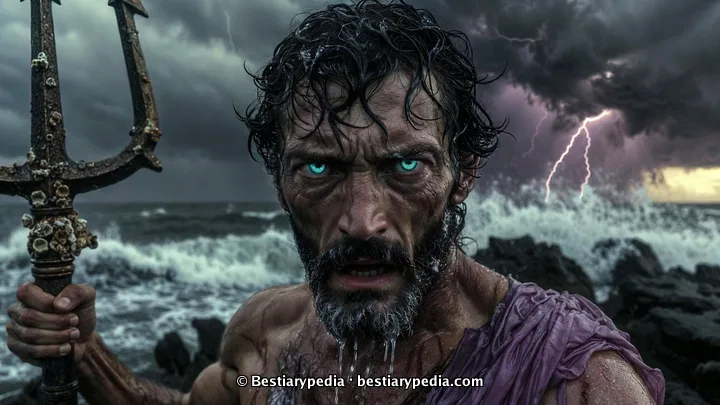
Neptune
Neptune, Roman god of the sea, earthquakes and horses
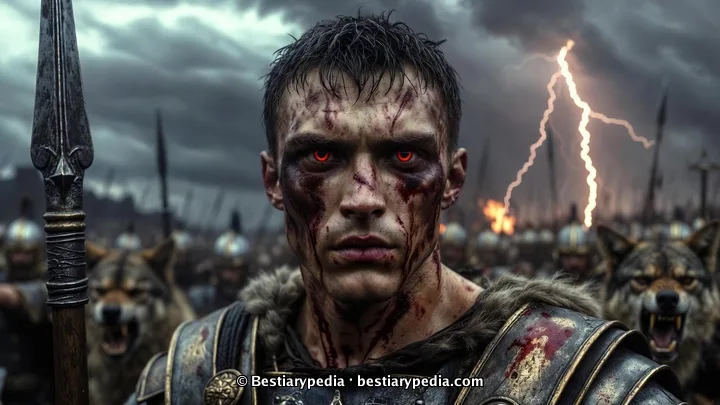
Mars
Mars, the Roman god of war, agriculture, and fertility
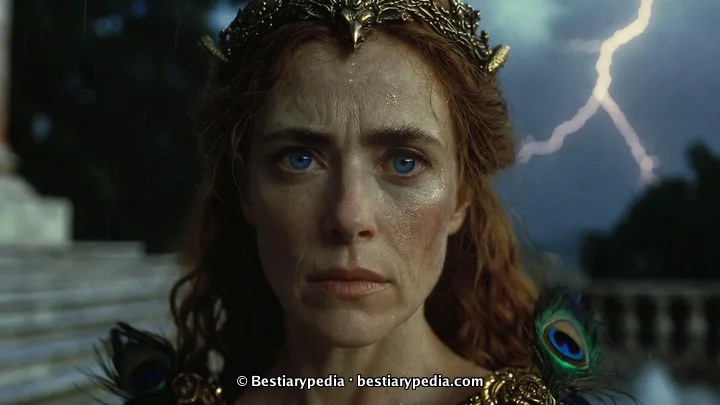
Juno
Juno, Roman goddess of marriage, the state and the protection of women
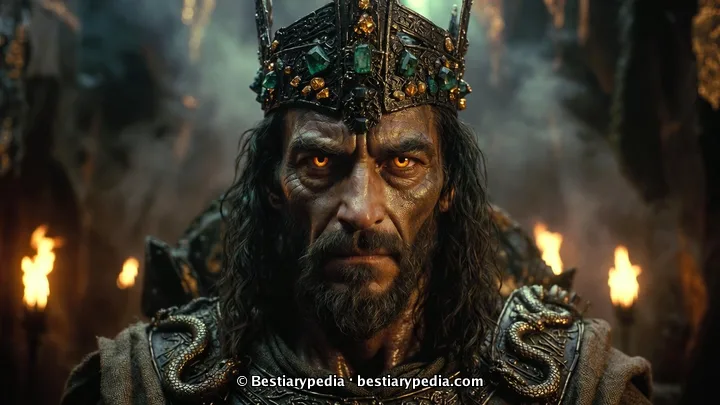
Pluto
Pluto, Roman god of the underworld and lord of subterranean riches
Jupiter
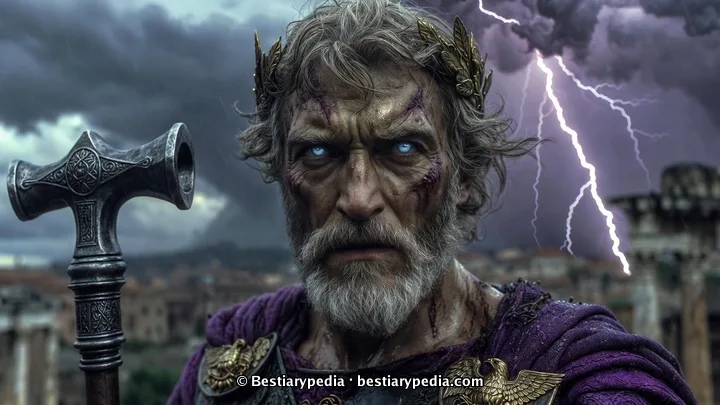
Jupiter, supreme god of the Roman pantheon, lord of the sky, thunder, and divine justice