Camael
Prince of the Dominations
Curated byBestiarypediaCreated onUpdated on
⇄ Cultural variants (1)

Origins of Camael
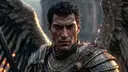
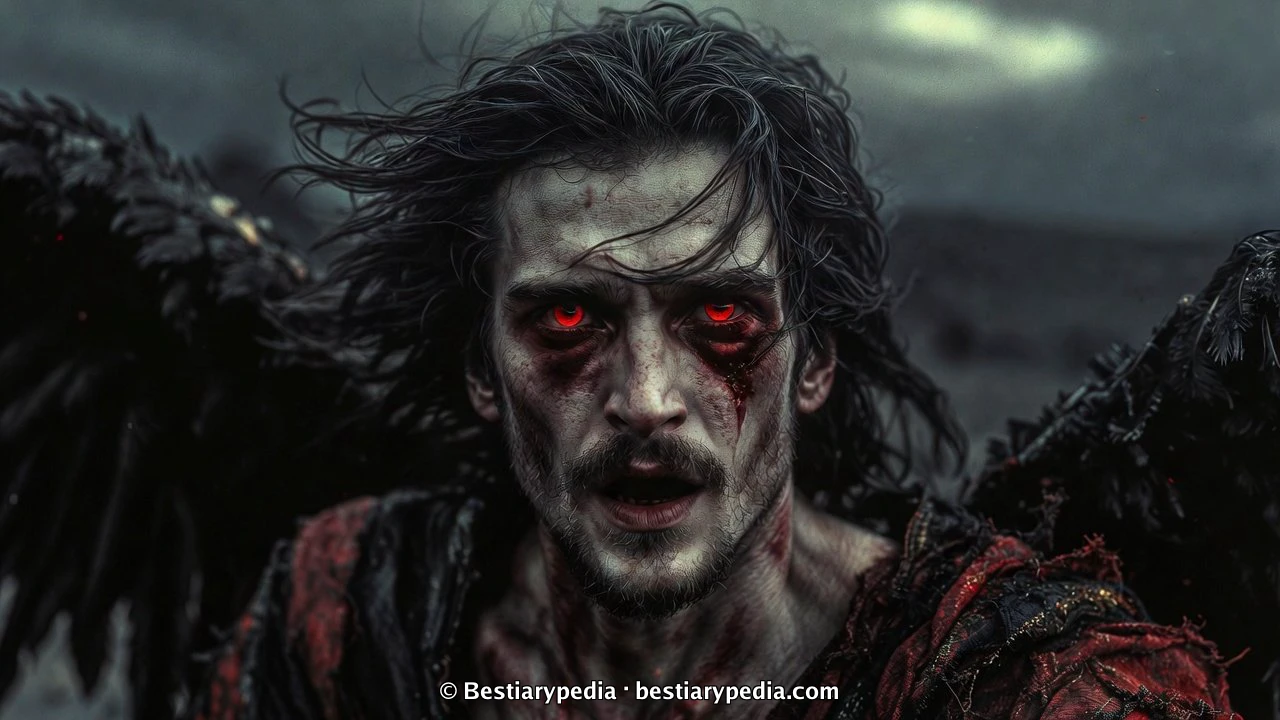
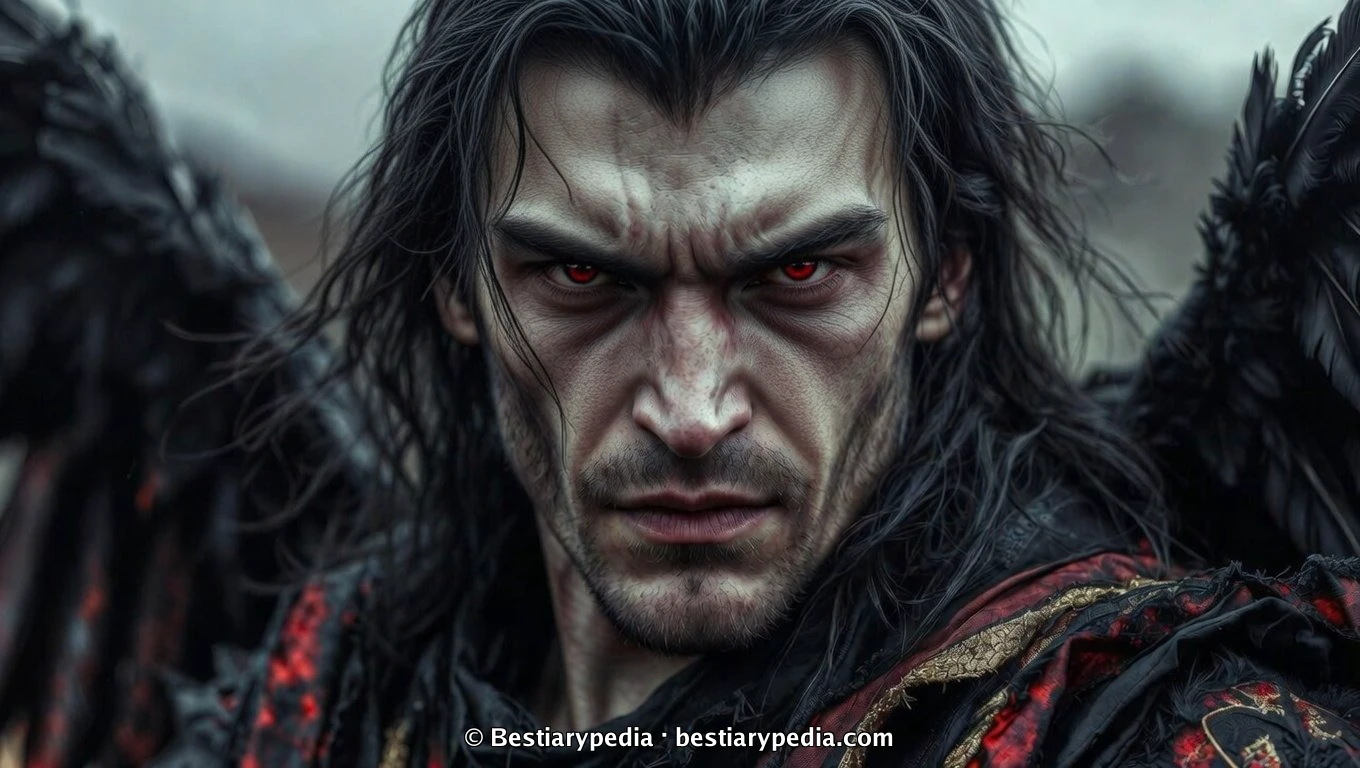
Camael (also Kamael, Khamuel or Camiel; from the Hebrew 'he who sees God') is, in Jewish, Christian and esoteric angelology, the archangel of strength, courage and divine severity. He is counted among the seven archangels who are before the throne of God and, in various traditions, he is presented as chief of an angelic choir (the Powers or the Potestates) and captain of the celestial hosts. The Kabbalah associates him with the sefira of Gevurah (severity or rigor), which balances Chesed (mercy) in the Tree of Life, and the astrological-magical tradition links him to the planet Mars and martial strength. He thus embodies the just wrath of God: not blind violence, but the power that punishes injustice and defends the cosmic order.
Attributes and powers
Camael is represented as a warrior archangel, clad in armor and fire, who wields a flaming sword with which he combats the forces of evil and protects the righteous. As lord of Guevurá, he personifies disciplined strength and judgment: tradition attributes to him command of the angels of severity, protection of fighters for just causes and expulsion of evil spirits. In ceremonial magic and Renaissance angelology he is invoked to obtain courage, protection and firmness in the face of adversity. His power is double-edged, for severity without mercy can become destructive; therefore his figure is always understood in balance with the archangel of mercy, his complementary counterpart within the system of the seven.
Relations and Tradition
In the celestial court, Camael shares with Miguel the role of warrior archangel who leads the hosts against the forces of evil, and is placed alongside the great archangels (Gabriel, Rafael, Uriel) in the government of the cosmos. It should be noted that Camael and Chamuel are, in their origin, variants of the same name; modern esoteric tradition has differentiated them into two facets, that of strength (Camael) and that of love (Chamuel). The Catholic Church, which in 2001 restricted the cult to the angels named in Scripture (Miguel, Gabriel and Rafael), does not officially recognize Camael, whose cult survives above all in the Orthodox tradition, the Kabbalah and esotericism. His figure remains very present in angelology, ceremonial magic and popular culture as the archetype of the warrior angel.
Also known as
Relics
🏺 Camael's Sword of Fire
Symbology
Element
Fire
Number
5
Color
Red
Animals
Lion
Sigils:
🏷️ Traits
Powers
Weaknesses
Behavioral
Resistances
🔗 Relations with other beings
Rival of
🗺️In the Atlas
Travel the beings’ world of origin and the cosmos of their dimensions.
📜 Mythologies
Esoteric and Kabbalistic traditions within Judaism, encompassing Merkabah mysticism from the Talmudic era, 13th-century Zoharic Kabbalah, 16th-century Lurianic Kabbalah, the 18th-century Hasidic movement, and various meditative, contemplative, and visionary practices aimed at ascending through spiritual worlds, invoking divine names, and achieving mystical union with the divine while unraveling the secrets of the creative universe.
Sources
Sefer Raziel HaMalakh
Eleazar of Worms (attributed to Raziel) · 1200
Medieval Jewish grimoire (c. 1200) attributed to the angel Raziel, said to have given it to Adam. It gathers cosmology, angelic names and protective magic; a central reference of esoteric angelology.
De Coelesti Hierarchia
Pseudo-Dionisio Areopagita · 500
Treatise by Pseudo-Dionysius the Areopagite (c. 5th-6th century) establishing the hierarchy of the nine angelic choirs arranged in three triads. The foundation of all later Christian angelology.
Zohar
Moisés de León (atrib.) · c. 1280
Central work of the Kabbalah, which appeared in 13th-century Spain and is attributed to Moses de León. It mystically comments on the Torah and expounds the sefirot, the spiritual worlds and the angelic and demonic powers of Jewish esotericism.
3 Enoch (Hebrew Book of Enoch)
Anonymous · c. 500 CE
The Hebrew Book of Enoch (3 Enoch or Sefer Hekhalot) is a medieval Jewish mystical text (5th-6th c. CE), attributed to Enoch transformed into Metatron. It describes angelic hierarchies, fallen princes like Tamiel, and visions of the heavenly palaces (Hekhalot).
Frequently asked questions
What does the archangel Camael represent?
Camael (or Kamael) is the archangel of the force, the valor and the divine severity. He is counted among the seven archangels before the throne of God and the Cábala associates him to the sefirá of Guevurá (the rigor) and to the martial force of the planet Mars.
How is Camael depicted?
As a warrior archangel clad in armor and fire, who wields a flaming sword with which he combats the forces of evil and protects the just. He personifies just wrath: the power that punishes injustice and defends order.
What relationship is there between Camael and Chamuel?
Camael and Chamuel are, in their origin, variants of the same Hebrew name, 'he who sees God'. The modern esoteric tradition differentiated them into two facets: the one of force (Camael) and the one of love (Chamuel).
Does the Catholic Church recognize Camael?
No. In 2001 the Catholic Church restricted the cult to the angels named in the Scripture (Michael, Gabriel and Raphael). The cult to Camael survives above all in the orthodox tradition, the Kabbalah and esotericism.
🔖Cite this entry▾
If you cite this article in an academic, journalistic or editorial publication, use any of these formats:
Bestiarypedia. (2026, July 26). Camael. Bestiarypedia. https://bestiarypedia.com/en/beings/camael
Free citation with attribution and canonical link for editorial, academic or journalistic use. Full commercial reuse or creation of derivative products requires prior agreement.