Azazel the Exiled
Azazel the Exiled, fallen Watcher chained in the desert for revealing forbidden secrets
Curated byBestiarypediaCreated onUpdated on
 Israel(Israel)

Origins of the Exile
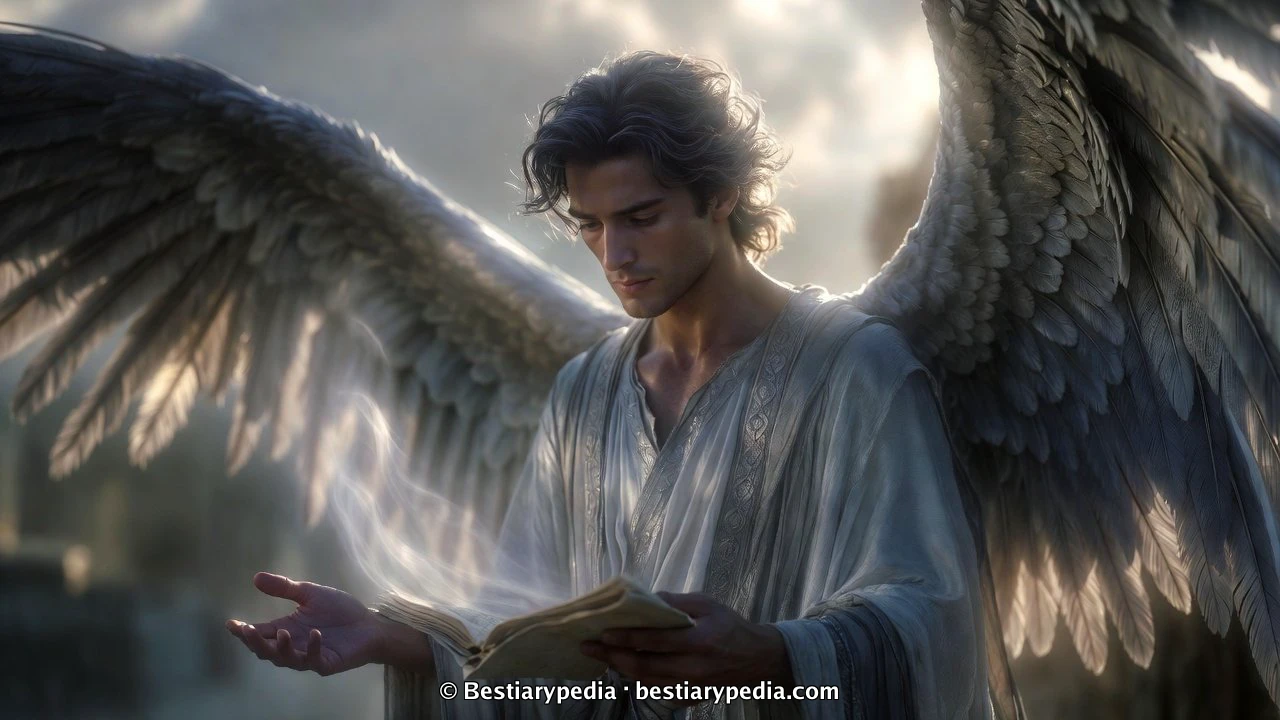
Azazel the Exiled emerges from the depths of Hebrew and apocalyptic mythology, where he is described as one of the most prominent fallen angels. In the Book of Enoch, Azazel is the leader of the Grigori, the Watchers who descended to Earth attracted by the beauty of human daughters. He taught men the art of war, the making of metal weapons, cosmetics and spells, corrupting primordial innocence. For this transgression, he was chained by the archangel Raphael in a desert abyss until the Day of Judgment. His exile was not only physical but an eternal banishment from the divine presence, marked by guilt and repentance. Some traditions link him to the scapegoat of Yom Kippur, to which the sins of Israel were loaded before precipitating it into the desert, symbolizing his role as bearer of others' guilt.
Form and Manifestations
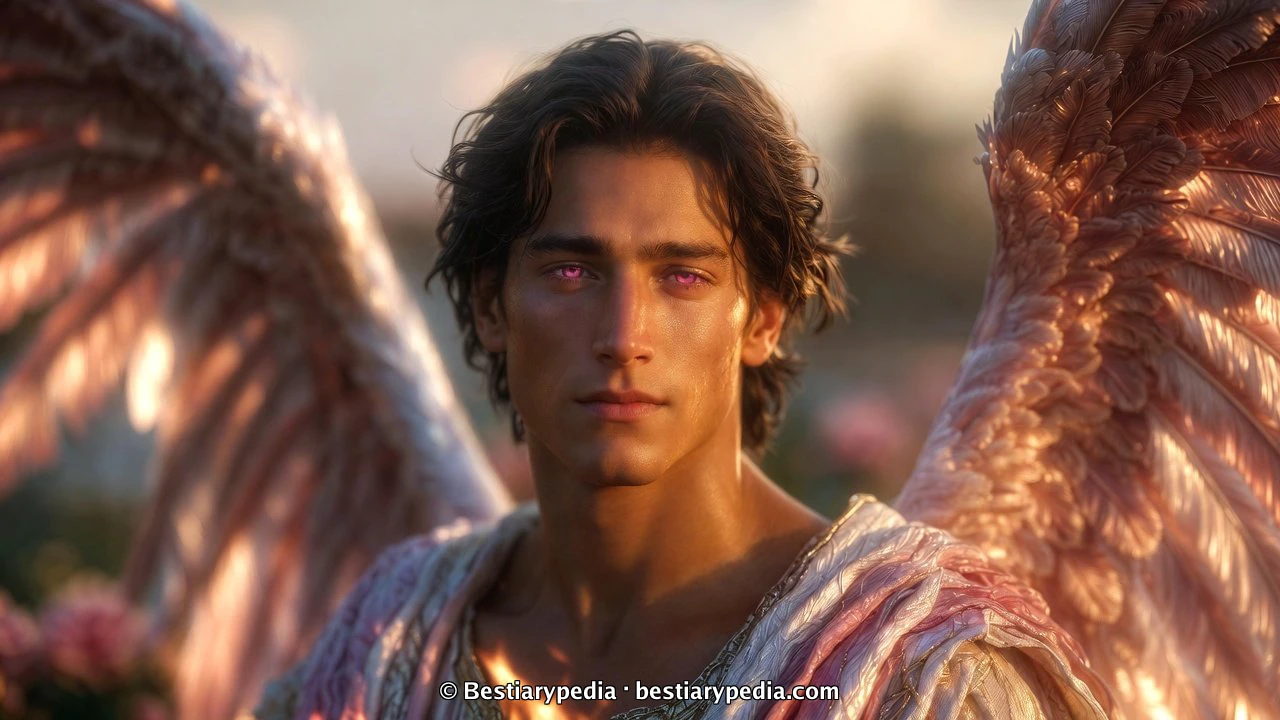
Azazel manifests in a changing form that reflects his dual nature: angel and demon. In his original celestial aspect, he had wings of black fire, skin like polished bronze, and eyes that burned with the light of fallen stars. After the exile, his figure twisted into a hunched silhouette, with twisted horns emerging from a disheveled mane, claws like sickles, and a serpentine tail ending in a venomous tip. He wears rags of shadows that dissolve into smoke, and his voice resonates like an echo of a thousand laments. In apocalyptic visions, he appears mounted on a black horse, bearing a curved sword that cuts souls. Cultists invoke him in the form of a black goat with red eyes, symbolizing the scapegoat, or as a winged giant wrapped in broken chains, evoking his eternal imprisonment.
Legacy and Relationships
Azazel's legacy transcends his punishment, influencing later demonologies. In Kabbalah, he is associated with Samael and Lilith in the Qliphoth, ruling the sphere of Golachab, the burning of impulses. He maintains enmity with Raphael, his jailer, and with the archangels Michael and Gabriel, guardians of divine order. Allies among the fallen include the other Grigori like Semjaza and Armaros, with whom he shared the rebellion. In syncretic pantheons, he rivals demons like Asmodeus for dominion over lust and vengeance, while pacting with witches seeking forbidden knowledge. His influence persists in occult rituals where he is invoked to reveal cosmic secrets, forge enchanted weapons or curse enemies, always at the cost of the invoker's sanity. Relationships with humans are ambivalent: punisher of sins and tempter of wisdom.
Also known as
Relics
🏺 Black Wings of Azazel
Symbology
Element
Black Fire
Number
7
Color
Dark Red
Animals
Goat, Raven
Sigils:
🏷️ Traits
Powers
Weaknesses
Behavioral
Resistances
🔗 Relations with other beings
Rival of

🗺️In the Atlas
Travel the beings’ world of origin and the cosmos of their dimensions.
📜 Mythologies
Esoteric and Kabbalistic traditions within Judaism, encompassing Merkabah mysticism from the Talmudic era, 13th-century Zoharic Kabbalah, 16th-century Lurianic Kabbalah, the 18th-century Hasidic movement, and various meditative, contemplative, and visionary practices aimed at ascending through spiritual worlds, invoking divine names, and achieving mystical union with the divine while unraveling the secrets of the creative universe.
Sources
Apocalypse of Abraham
Anonymous · 100
Jewish apocalypse (c. 1st-2nd century) recounting the vision of the patriarch Abraham guided by the angel Yahoel. It describes the heavens, the angelic powers and the demon Azazel, and is a source of Jewish angelology and demonology.
Book of Enoch
Anonymous · 300 BCE
Jewish apocryphal text describing the fall of the watchers and their forbidden teachings.
3 Enoch (Hebrew Book of Enoch)
Anonymous · c. 500 CE
The Hebrew Book of Enoch (3 Enoch or Sefer Hekhalot) is a medieval Jewish mystical text (5th-6th c. CE), attributed to Enoch transformed into Metatron. It describes angelic hierarchies, fallen princes like Tamiel, and visions of the heavenly palaces (Hekhalot).
Book of Leviticus
Mosaic Tradition · ca. 1440-1400 BCE
Third book of the Hebrew Bible, devoted to ritual law: sacrifices, purity and festivals. Its rites and prohibitions (the scapegoat, banned cults) gave rise to key figures of later demonological imagination.
Book of Jubilees
Attributed to Moses · 2nd cent. BC
The Book of Jubilees, a Jewish pseudepigraphal text (2nd century BCE), rewrites Genesis and Exodus, mentioning the Watchers and their leaders including references to Azazel as a corrupter teaching idolatry and fornication, reinforcing his role in Enochian tradition and justifying the Flood as punishment.
Frequently asked questions
What mythological origin does Azazel the Exiled hold in the Book of Enoch?
Azazel the Exiled emerges as leader of the Grigori in the Book of Enoch. He descended drawn by human daughters and taught war, weapons and spells. He was chained by Raphael in a desert abyss until Judgment.
What characteristic attributes define the changing form of Azazel the Exiled?
Azazel possesses wings of black fire and polished bronze skin in his celestial form. After exile he adopts twisted horns, sickle-like claws and serpentine tail. He is invoked as black goat or winged giant wrapped in broken chains.
What notable relationships does Azazel the Exiled maintain with other celestial beings?
Azazel maintains enmity with Raphael, his jailer, and with Michael and Gabriel. He is allied with Semjaza and Armaros among the Grigori. In Kabbalah he is associated with Samael and Lilith in the sphere of Golachab.
What place does Azazel the Exiled occupy in the hierarchy of the Grigori and apocalyptic cosmology?
Azazel is leader of the Grigori, order of fallen Watchers who descended to Mount Hermon. In apocalyptic cosmology he rules the sphere of Golachab and remains chained in Dudael until the Day of Judgment.
🔖Cite this entry▾
If you cite this article in an academic, journalistic or editorial publication, use any of these formats:
Bestiarypedia. (2026, July 14). Azazel the Exiled. Bestiarypedia. https://bestiarypedia.com/en/beings/azazel-the-exiled
Free citation with attribution and canonical link for editorial, academic or journalistic use. Full commercial reuse or creation of derivative products requires prior agreement.